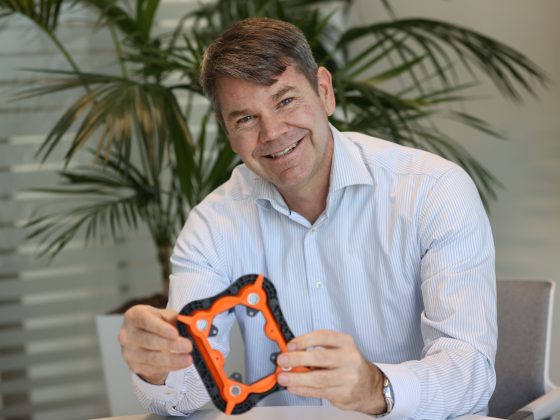
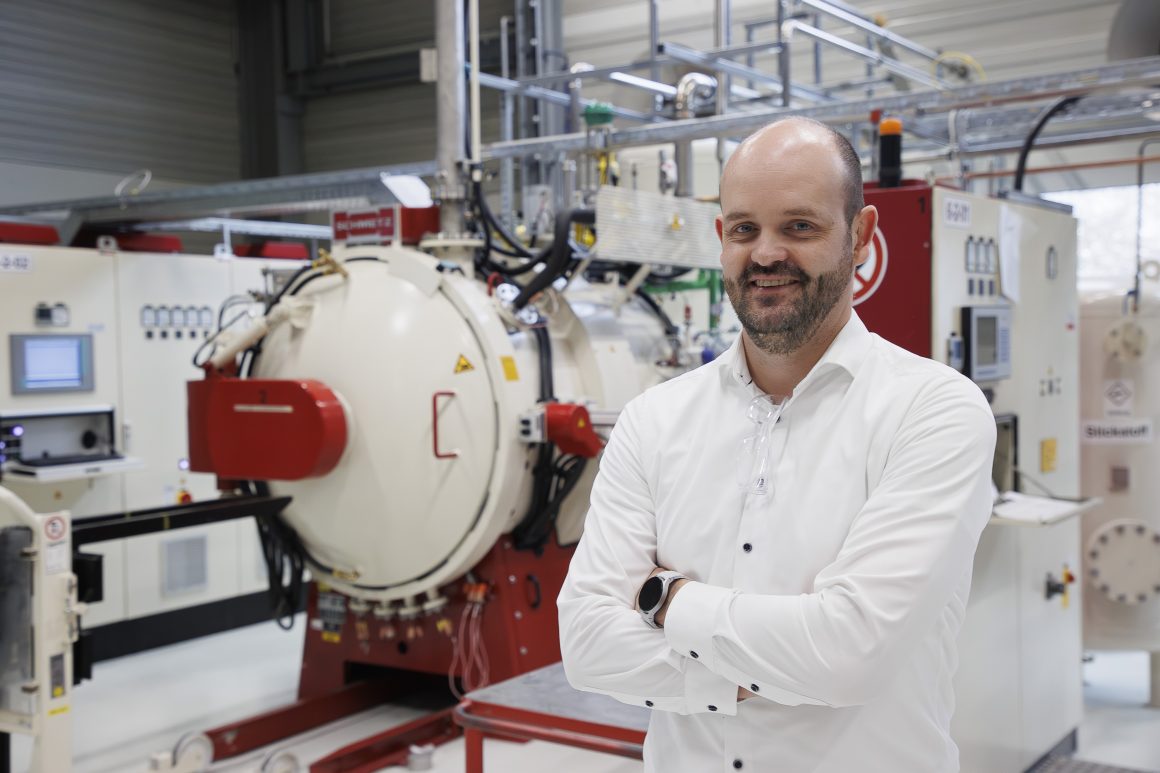
One year as Director of Global Tool Centers at Freudenberg Sealing Technologies (FST), two locations on two continents: Dr. Philipp Stein talks about starting out in a completely new environment, the transformation in toolmaking, and the role of digitalization and vertical integration for the future of FST. A conversation about challenges, opportunities, and the art of securing expertise for the long term.
Philipp, you’ve been Director of Global Tool Centers for a year now, overseeing the sites in Laudenbach (Germany) and Northfield (USA). What were the biggest challenges for you personally during your first year in this role?
First of all, it was a completely new environment for me. In addition to the teams spread across two continents, the manufacturing processes were entirely new to me. Whereas I previously worked with large presses for the production of metal parts at the Lead Center Metals, we now work with machining and heat treatment processes, some of which are very delicate. My customer base and the associated product range have also expanded significantly. Consequently, the initial period was largely characterized by getting to know the business, listening, and understanding. At the same time, however, the general economic situation presented us with major challenges. While we were able to achieve a productivity increase in the low seven-figure range, the associated positive impact on earnings was significantly dampened by a low order intake.
What technologies and services do the Tool Centers currently offer to internal customers, and what is planned for the future?
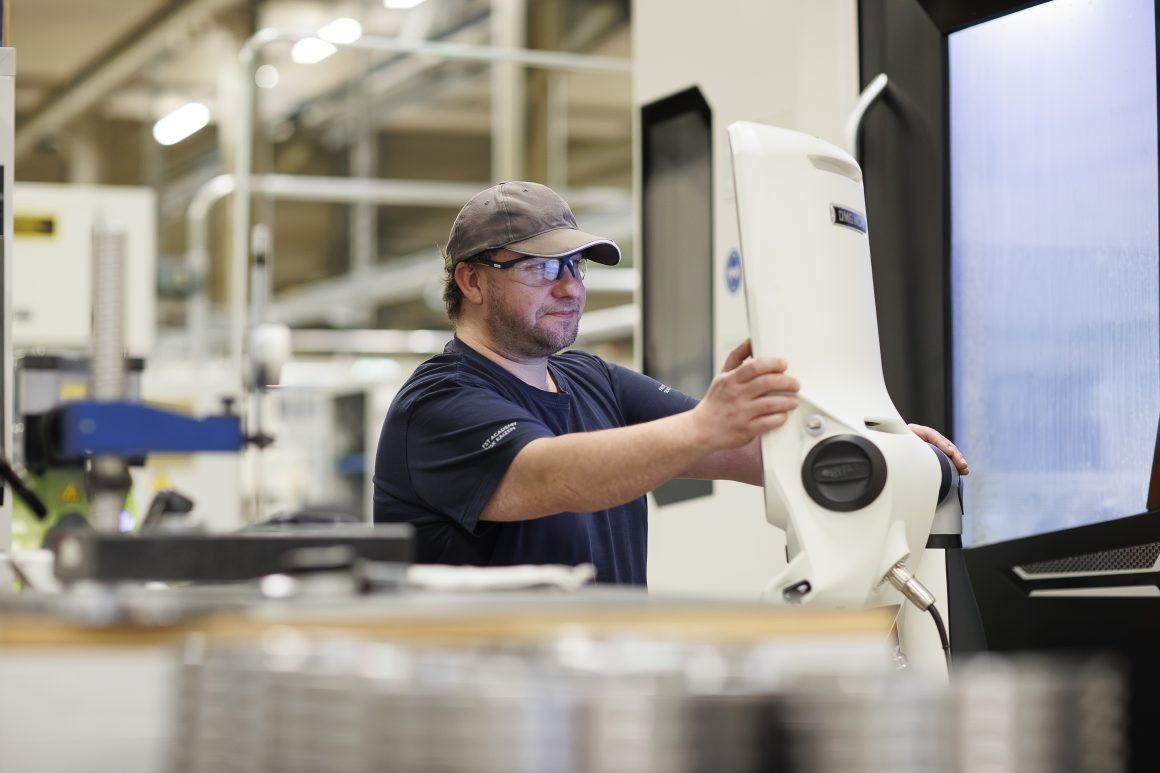
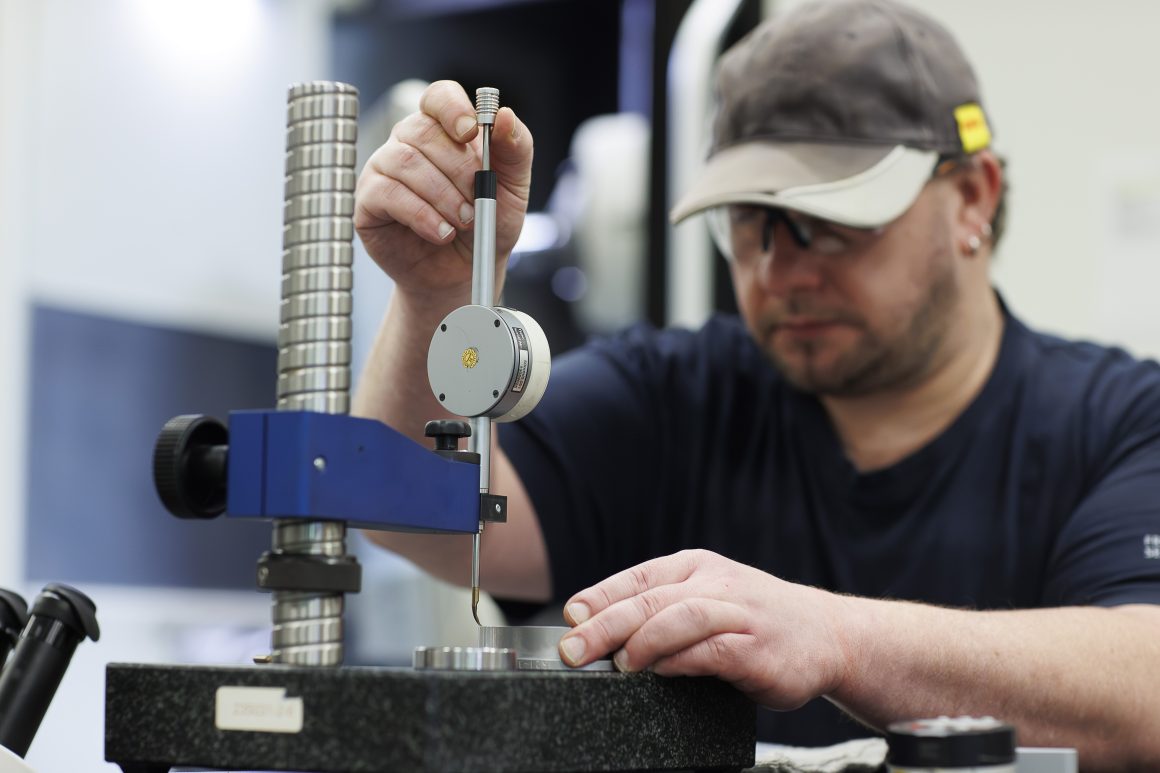
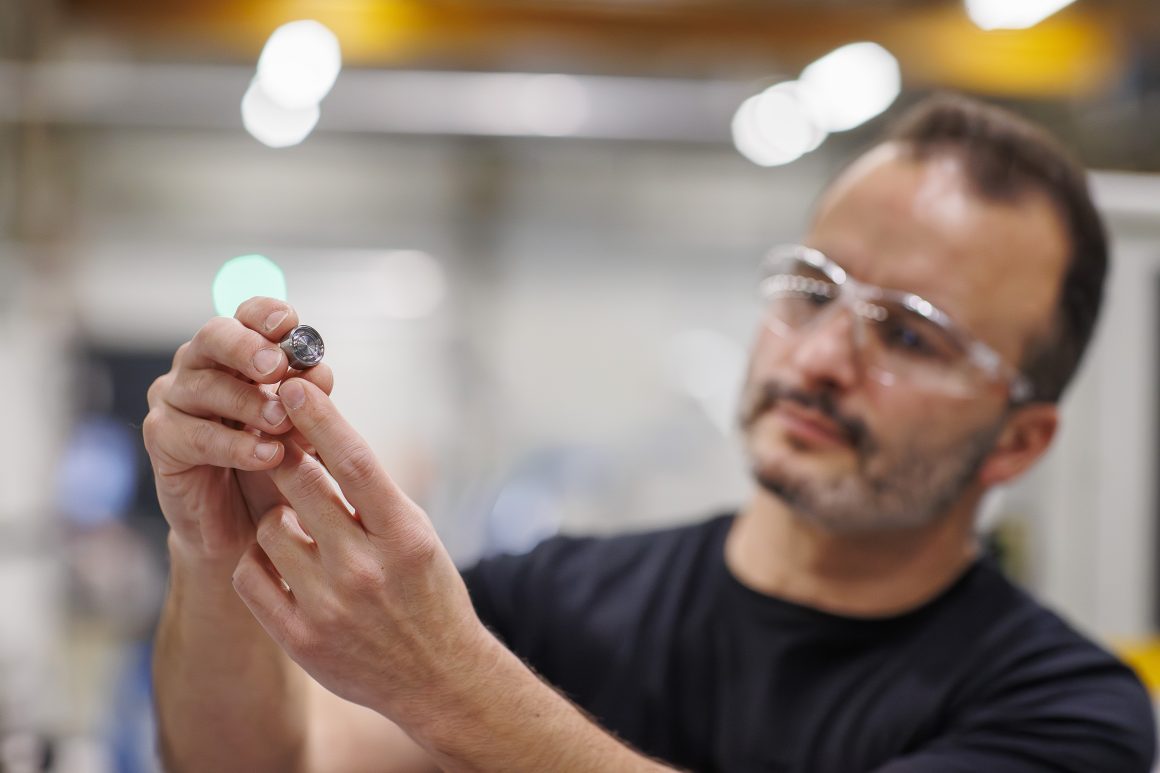
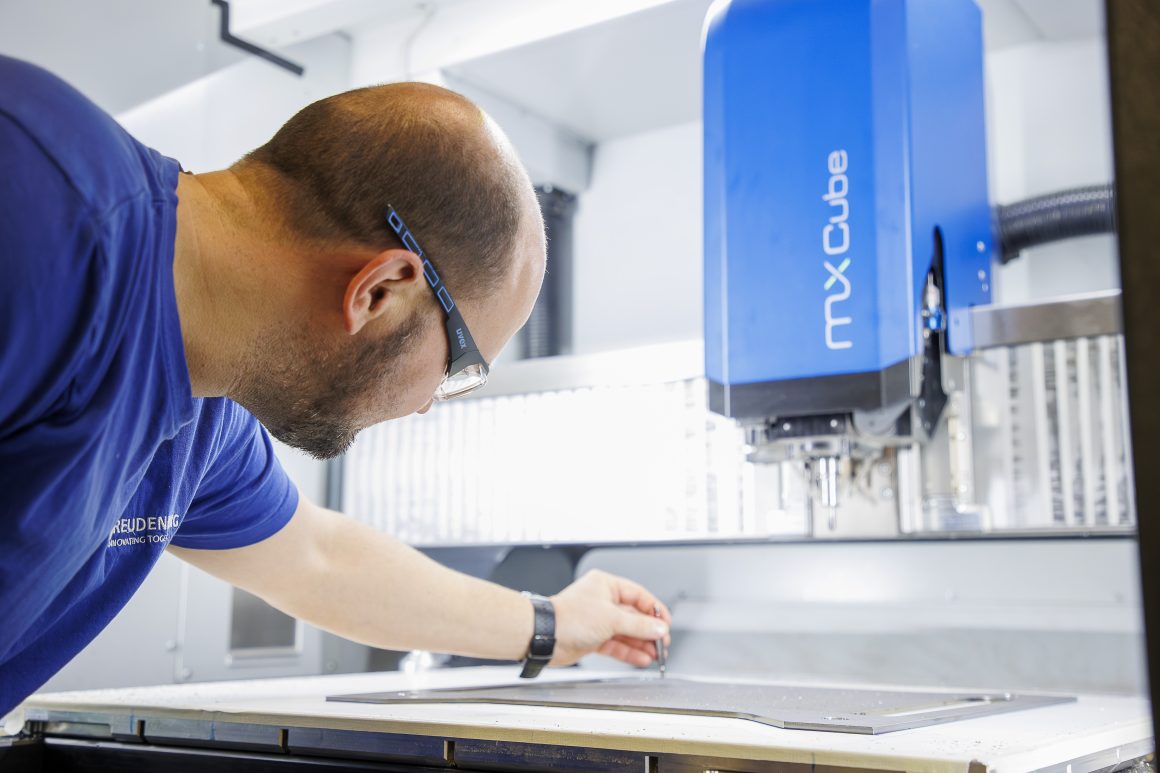
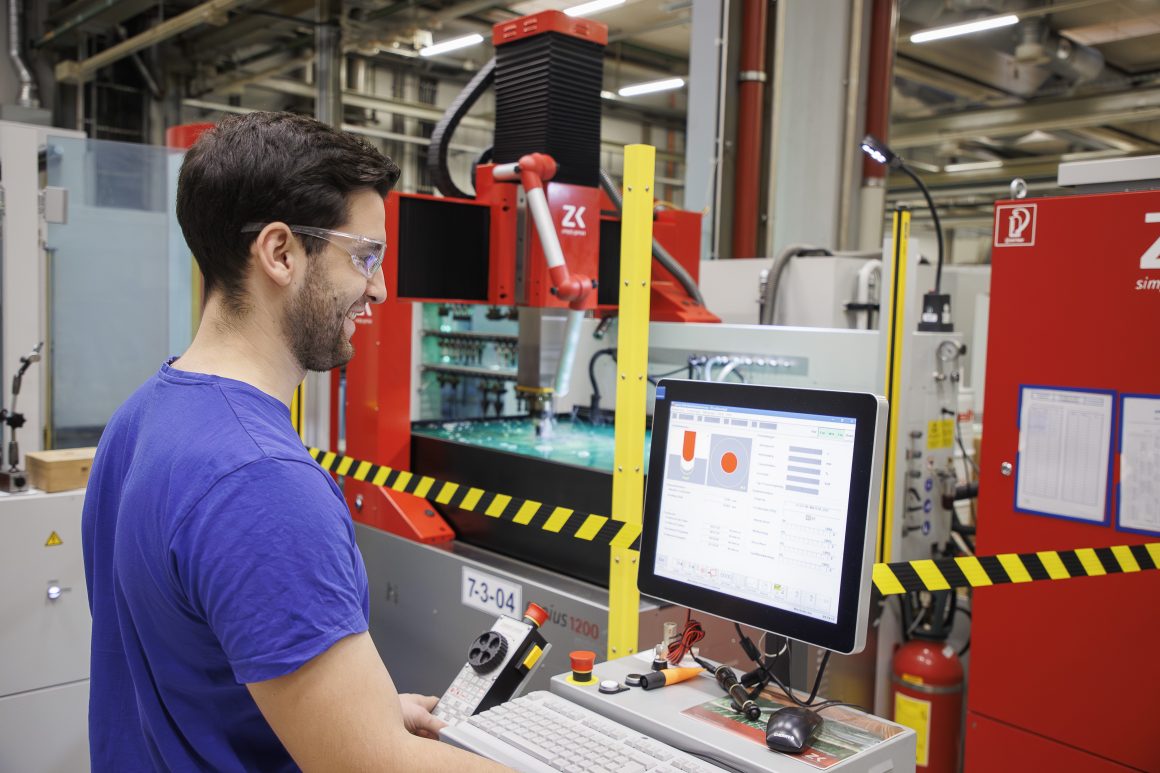
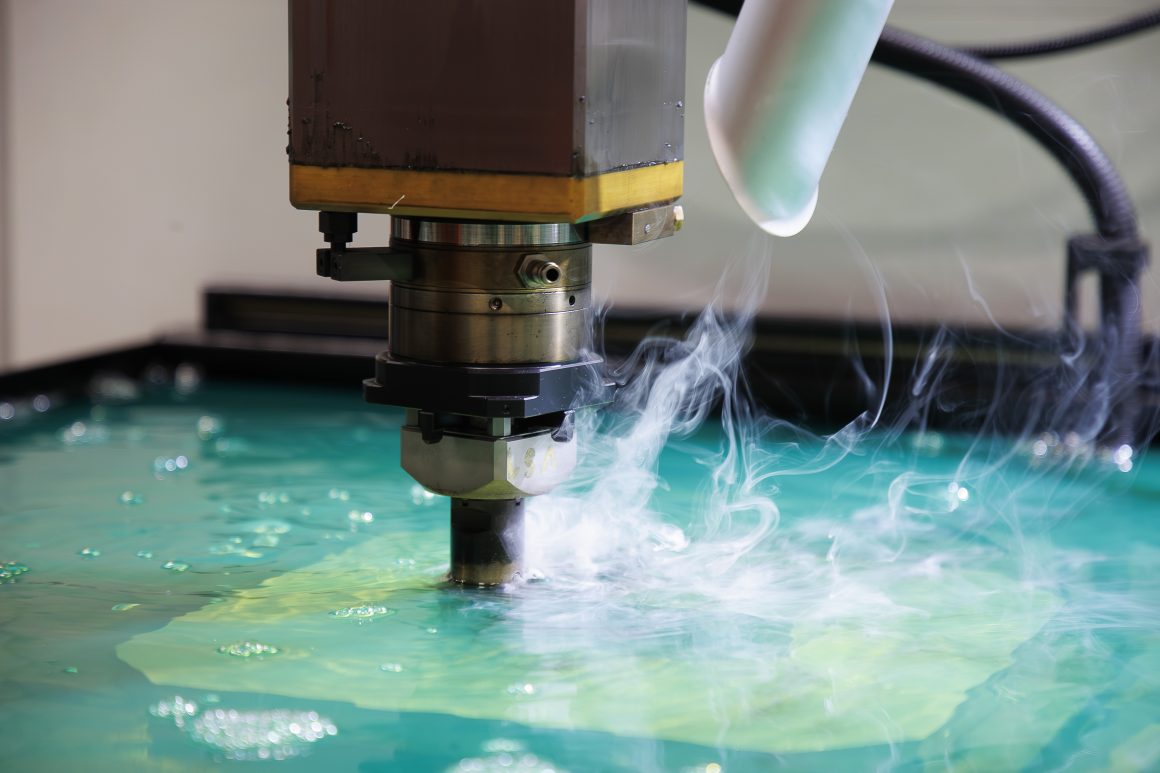
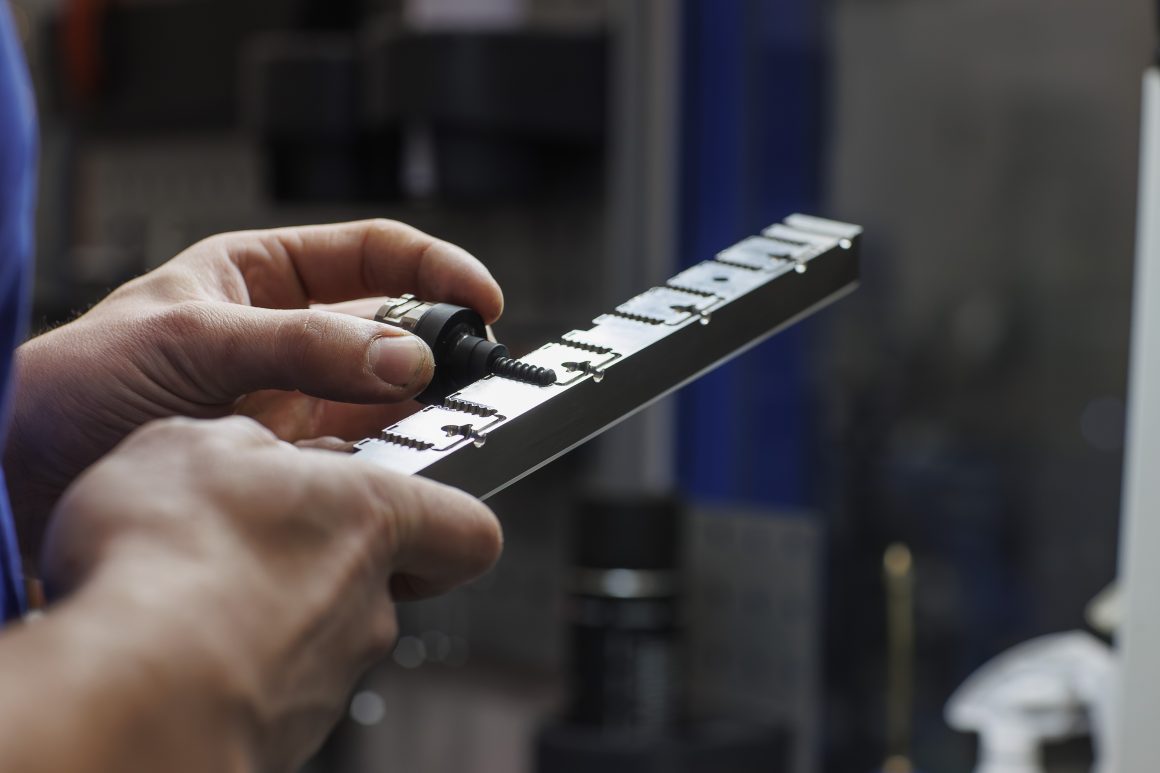
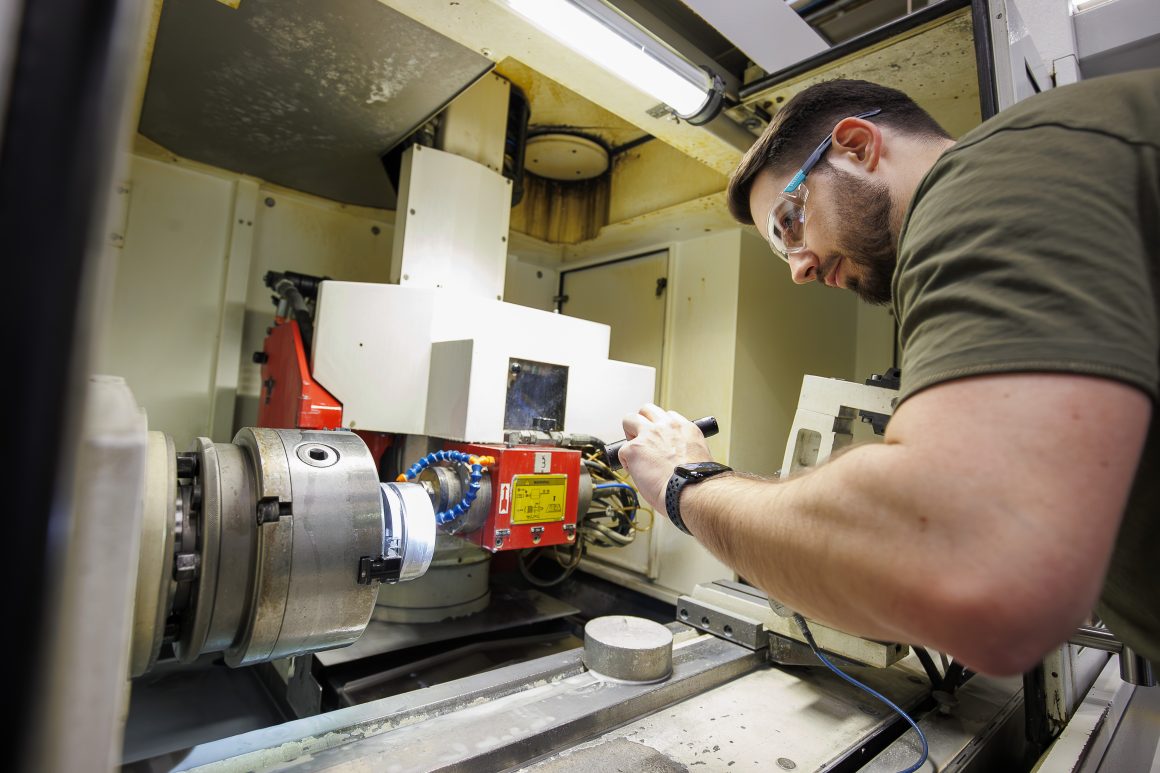
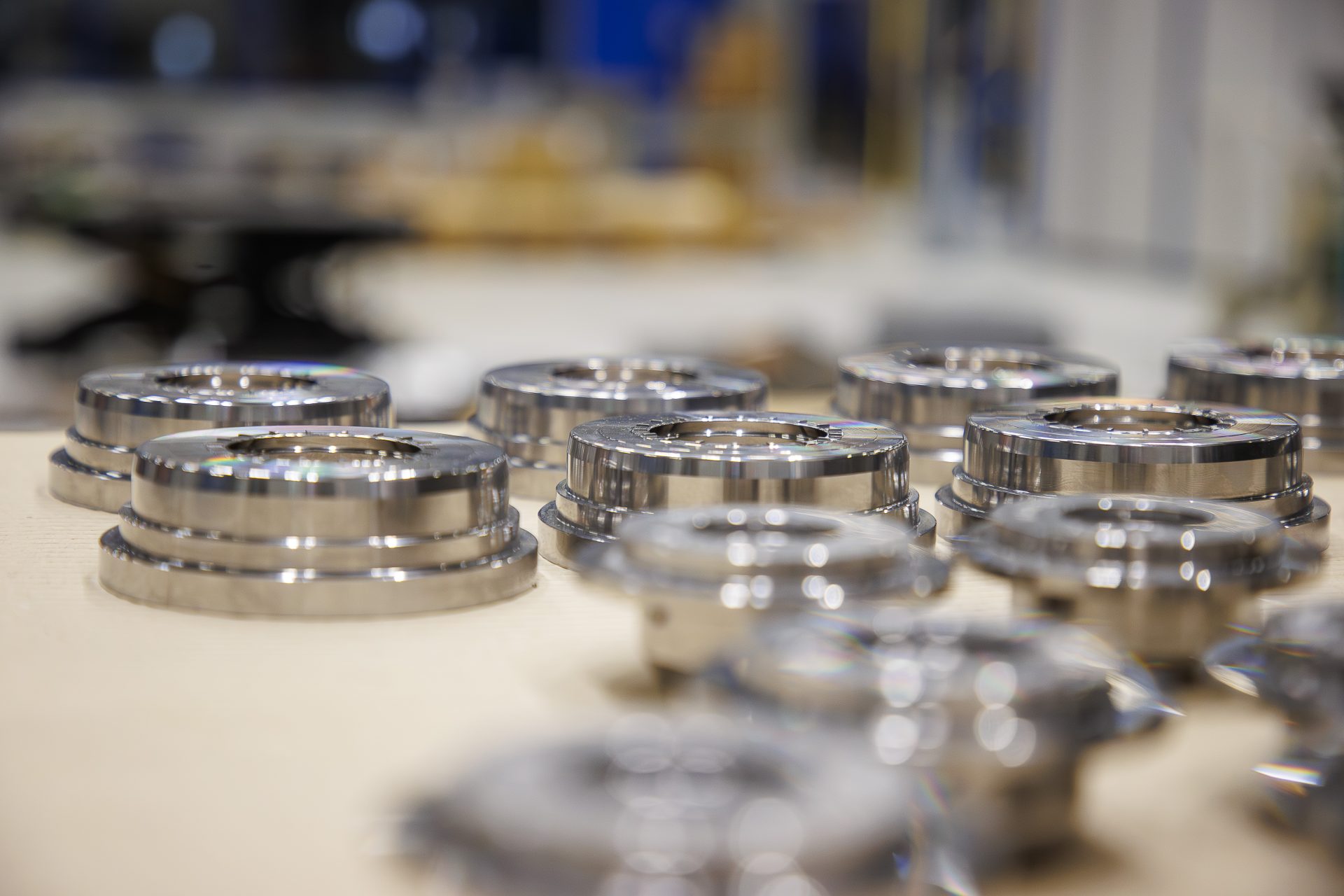
From a technological standpoint, we offer our customers the full spectrum of toolmaking services. This ranges from lathing and milling of components to high-precision EDM and cylindrical grinding, all the way to customer-specific hardening processes. The portfolio is rounded out by our design and development department. By combining production-optimized design with decades of experience in molding, FST can offer its end customers products of the highest quality. We complement our employees’ experience with advanced simulations to predict material behavior during and after molding and incorporate this into tool design.
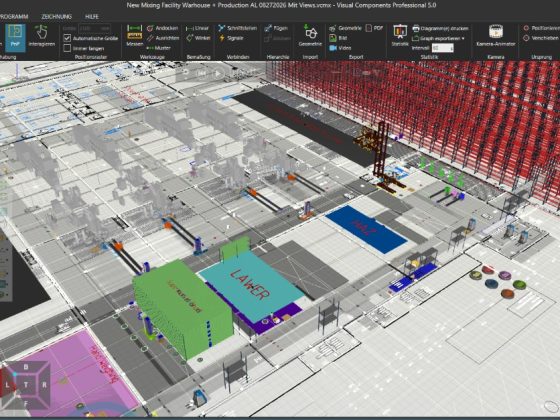
In the future, we will focus even more strongly on the digitalization of our processes. We have already launched initial projects to implement artificial intelligence in machine programming as well as automated planning tools. In addition, we are constantly aligning our machinery with the current needs of our customers. At the moment, we are seeing an increase in requests for small, high-precision components. At the same time, however, there is also growing demand for large molding tools. These are often intended for applications in electromobility or serve to increase productivity by allowing more seals to be manufactured in a single cycle.
In your view, what are the key tasks of a modern toolmaking department within a globally active company?
The central task of our toolmaking operations at the Laudenbach and Northfield sites is to provide the appropriate manufacturing capacities internally. This allows us to drive developments within FST independently while simultaneously protecting our know-how as effectively as possible.
This capability is highlighted not only by our internal customers but also by external ones, who are often surprised by FST’s vertical integration and see it as a major source of added value.
Risk minimization is another key priority. The toolmaking industry as a whole faces enormous cost pressure, and unfortunately, bankruptcies among small companies are not uncommon. A strong, efficient in-house toolmaking department provides planning security in this regard. Another, often underestimated aspect of risk minimization is prioritization. We are FST; together with our customers, we will always prioritize orders for the benefit of FST. External suppliers have a wide variety of customers, none of whom wants to take a back seat to the others.
Furthermore, it is the task of a central toolmaking department to steer developments within the organization, to bundle and make them available to everyone. In addition to central toolmaking departments, local toolmaking facilities are indispensable for repairs and rapid prototyping. A continuous exchange of technology, standardization, and production-optimized design are therefore essential to achieving operational excellence in toolmaking as well.
What different tools are manufactured in the Tool Centers, and how do they contribute to value creation within the company?
In the two Tool Centers, we have the capability to manufacture near to all tools required at FST. This ranges from all types of stamping tools (compound, transfer, progressive), through molding tools (injection, compression, transfer molding), to incubator tools, such as those used for waveguide antennas. All these tools form the backbone of FST’s value chain.
Incidentally, we only outsource tooling when the tool dimensions exceed the capabilities of our equipment. In such cases, close customer contact is necessary to evaluate whether it makes economic sense – and is prudent from the perspective of protecting our know-how – to procure new equipment.
The current economic situation is also affecting our external customers. To what extent is this impacting the order situation in the tool shops?
Unfortunately, we are feeling the economic impact quite clearly. End customers are holding back on new product launches and are continuing to use existing products instead. As a result, while we may see volume increases among our internal customers, new tools are not necessarily required. In times like these, our priority is to prepare for the future. What I mean ist that we must adapt our manufacturing capabilities during the crisis, but also make full use of our existing capacities. After all, toolmakers are specialists. Once we lose them, it’s a long and tough journey to rebuild the valuable expertise that’s worth protecting.
Impressions from Laudenbach Tool Center