Volatile markets, geopolitical tensions, and rapid technological change shaped the current strategy period at Freudenberg Sealing Technologies.
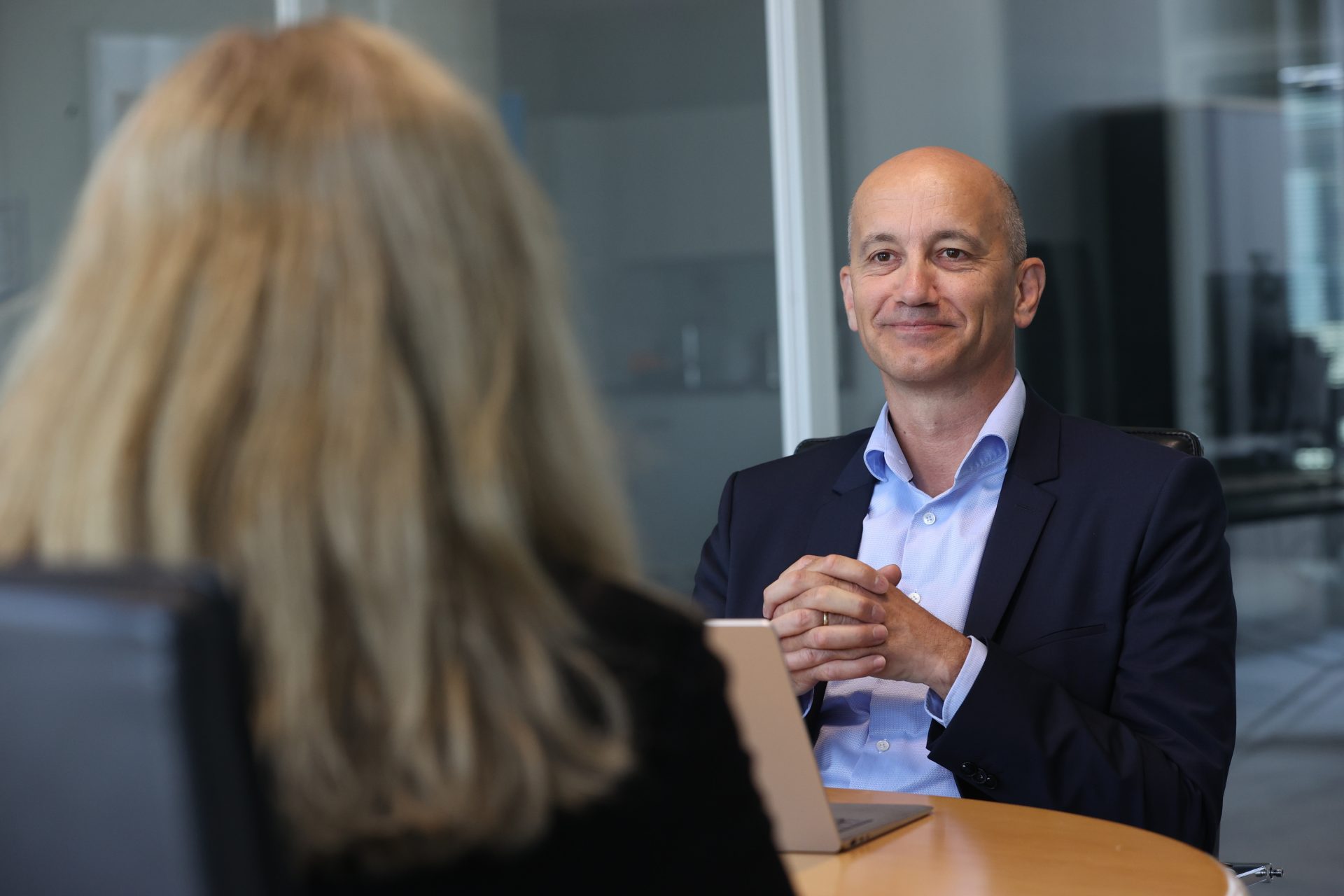
In the first part of this interview, CEO Dr. Matthias Sckuhr looks back on what was achieved under challenging conditions and explains how FST is positioning itself across regions, industries, and drive technologies to remain resilient and competitive.
Matthias, which of FST’s strategic goals for 2025 were achieved?
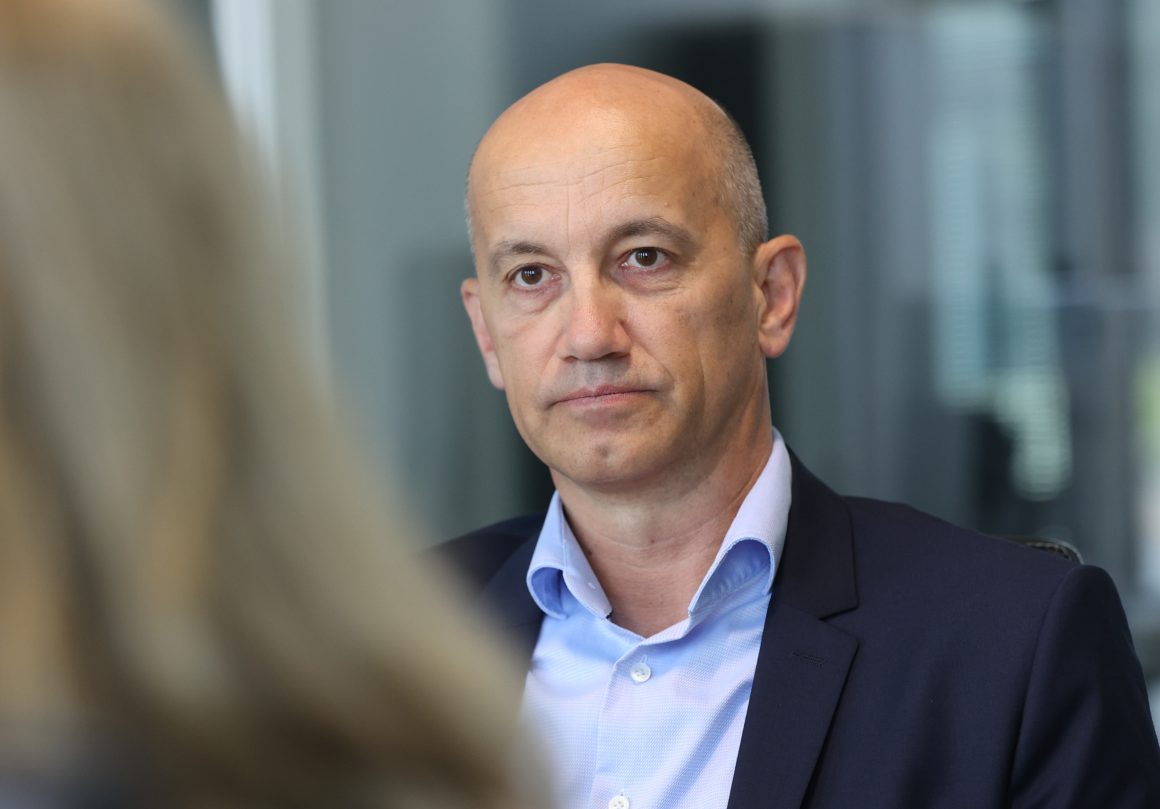
Matthias, which of FST’s strategic goals for 2025 were achieved?
During the current strategy period, we navigated an exceptionally volatile economic environment. While the market downturn meant that we did not reach our original sales ambition of €2.9 billion for 2025, the decisive point is this: we maintained our market positions and remained resilient in highly dynamic conditions.
What makes me particularly proud is that productivity remained stable. This was achieved through the consistent improvement of both administrative and production processes, along with a systematic reduction in costs. This stability gives us a strong foundation from which we can accelerate again as markets recover
What additional measures has the Board taken to ensure the success of the strategy period?
The Board continues to focus on targeted investments where it strengthens our competitiveness, automation where it makes sense, and a rigorous review of cost structures across all areas. Adaptability remains a core principle for us.
One strategic priority is the expansion of our business service level. We have strengthened this area through selective acquisitions. Companies such as Toledo Driveline Seal Aftermarket Products, Trygonal, DMH, and Alto have been reinforcing our business group for some time now. Overall, I am confident that FST is on the right track.
At the same time, we are pushing ahead with our advanced material development. In particular, we are conducting intensive research into alternative high-performance materials without fluoropolymers or other intentionally-added PFAS – a challenging but strategically critical objective. We have also made significant progress in new mobility, where completely different materials and specifications are often required and our teams are developing solutions that position us strongly for the next decade.
Bottom line: Are you and your fellow Board members satisfied with what has been achieved so far in the current strategy period?
Overall, yes – we are very satisfied with where we stand today, despite the difficult economic environment and highly volatile markets. Our teams have shown resilience, ingenuity, and a clear commitment to moving FST forward.
How has the broader General Industry developed? Is there light at the end of the tunnel?
Yes, there is. The decline in sales I mentioned earlier is entirely attributable to the weakening automotive sector and not to our performance. By contrast, our sales to general industry have increased slightly. That growth, however, is not sufficient to fully offset the downturn in automotive. It is also worth noting that the growth is only partly organic; acquisitions have played a pivotal role as well.
Are there any segments that stand out in particular?
Indeed. We are seeing strong growth in segments such as agriculture, food and beverage, and power generation. Overall, the outlook for general industry is positive, although there are significant regional differences. Europe performed very well, while in North America only aerospace grew by nine percent.

In China, we even exceeded our targets. Our colleagues there are doing an outstanding job, a clear sign that our local strategy is working.
How is the automotive business performing globally?
Overall, FST recorded a significant decline, driven primarily by developments in the European Union. In the U.S., business remained at the same level as last year, as it did in China. At first glance, that may seem disappointing, especially given that the Chinese market grew overall. However, the key point is that FST was able to offset declines among European, Japanese, and American customers with Chinese OEMs and Tier 1 suppliers. That is a remarkable achievement.
We also made improvements in India and South America.
How do e‑mobility and extended transition phases for internal combustion engines in the EU affect product and investment planning?
The biggest shift is that we no longer look at global trends as one homogeneous development. Regions now evolve at very different speeds, and our strategy reflects that.
A management consultancy study from 2013 illustrates this point quite well. It attempted to predict how regions would develop in terms of electromobility by 2026. At the time, Germany was seen as the technology leader and the U.S. as the market leader. China ranked a distant sixth. Incredible as this may seem, thirteen years ago, Contemporary Amperex Technology (CATL) – now the world’s largest manufacturer of lithium‑ion batteries – was only two years old and virtually unknown. The pace of China’s development has been breathtaking, and contrary to the study’s predictions, the country has long since become a global leader in electric mobility.
Progress on electric vehicles has been slower in the U.S.; in the European Union, however, we are at least seeing a clear openness to multiple drive technologies. CO₂ regulations also remain in place, even if the debate over phasing out combustion engines has resurfaced.
This regional diversity plays to our strengths: FST is technologically broad, flexible, and well prepared for all major drive types
How open to technology is FST?
We assess each region separately. That said, we are generally well positioned across all relevant drive technologies. We offer mature solutions for conventional combustion engines as well as hydrogen combustion engines, which are gaining importance, particularly in India. We are also well equipped to serve hybrid vehicles, and we have been investing in battery technology for many years.
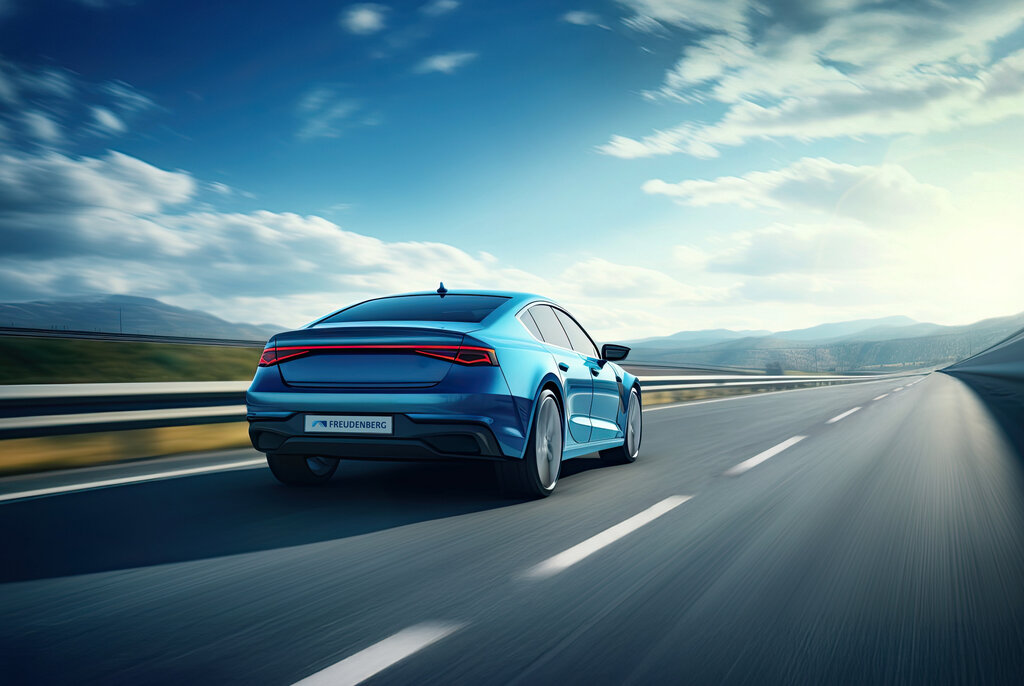
Even if a medium‑term scenario involving combustion engines and e‑fuels were to prevail, we would be well prepared. Personally, however, I expect battery electric vehicles to become more affordable, which will drive broader market acceptance. Ultimately, that is the most realistic path to achieving CO₂ targets.
For a long time, the discussion focused heavily on range. In reality, most people drive relatively short distances on a daily basis, making shorter ranges entirely sufficient. At the same time, modern battery electric vehicles have made significant technological advances and are now serious competitors to combustion engines.
I am somewhat more skeptical about e‑fuels. Their production is technically complex and costly. They are produced using green hydrogen obtained via electrolysis, combined with CO₂ that must first be extracted from the air. From our perspective, we would even then contribute positively because we supply components for electrolyzers.
With so many technological options available, why is the transformation progressing more slowly than expected?
Initially, the main issue was the high purchase price of battery electric vehicles compared to gasoline and diesel models. More recently,
It’s been due to shifting political debates about combustion engines and target technologies
At the same time, as production volumes increase, electric vehicles are becoming more attractive – supported by discounts and tax incentives. Besides, there is also a clear economic argument: cost advantages for electricity as a fuel.
Part 2 of the interview will be published on February 12. Stay tuned!