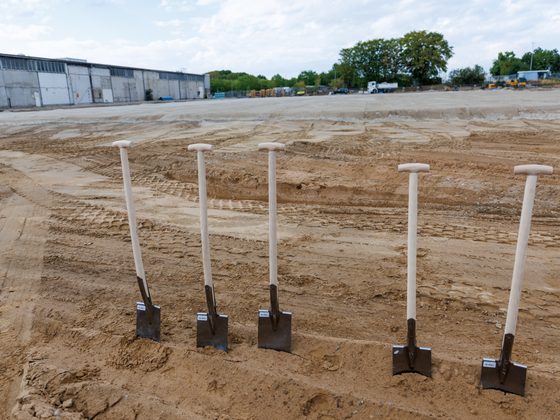
Construction work has begun on the new raw material mixing plant at the Weinheim site of Freudenberg Sealing Technologies (FST). Sustainability is a top priority in this joint project with Freudenberg Real Estate (FRE) and Freudenberg Service (FSV). “For us, sustainable action is not an end in itself – it creates added value. Beyond protecting the environment and conserving resources, it also offers us benefits in terms of quality and processes,” says Christian Pfeifer, Manager Factory Planning.
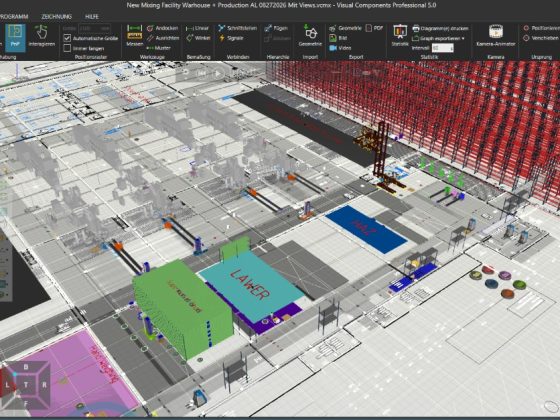
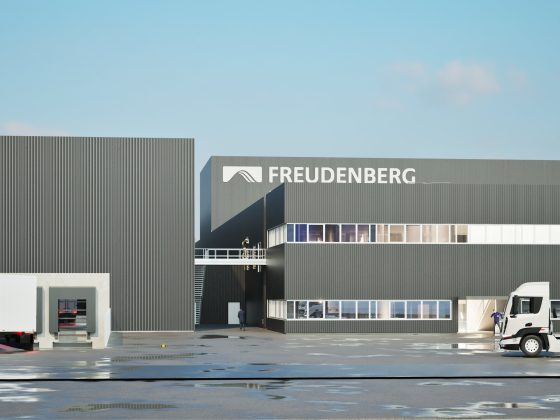
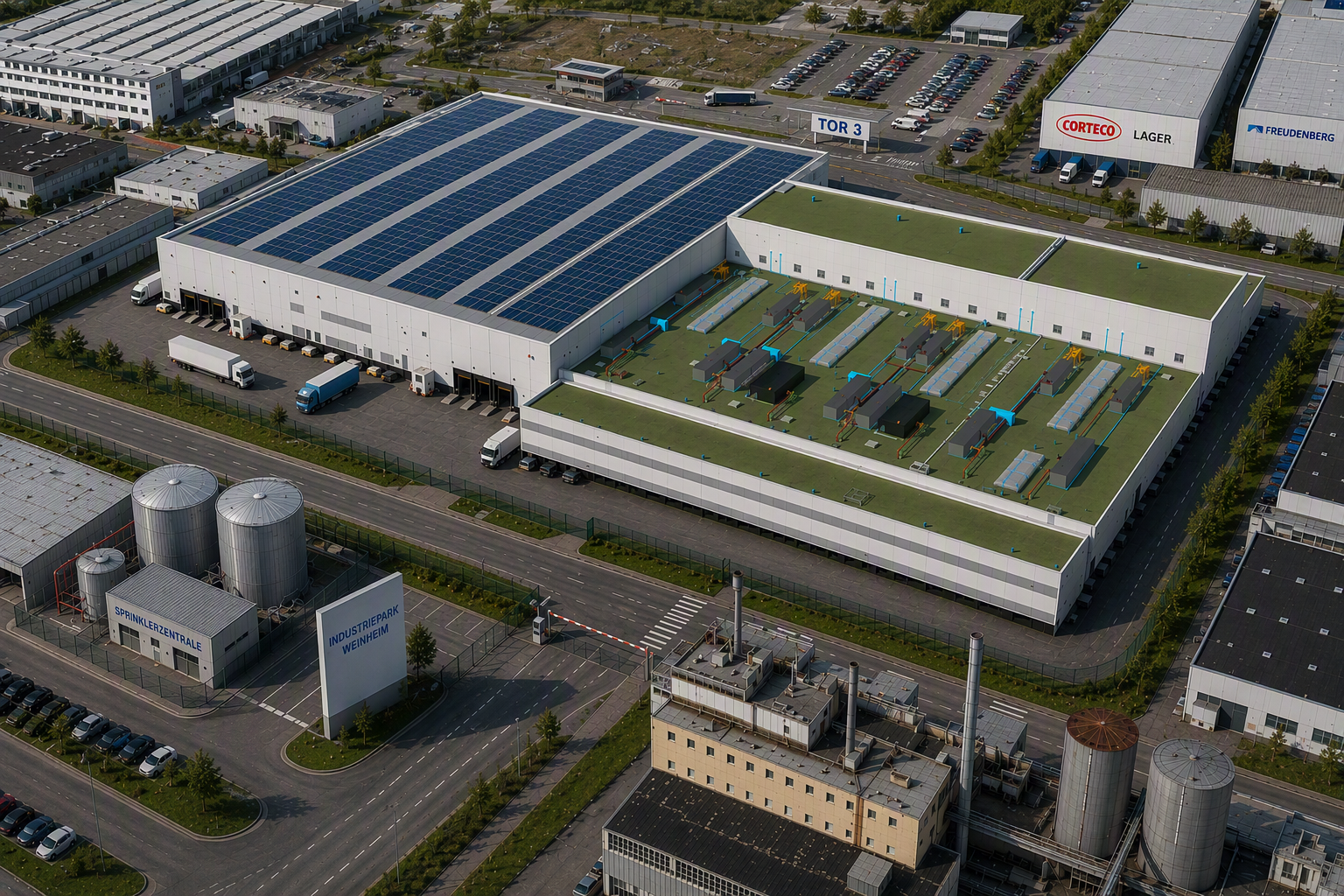
The construction of FST’s new raw material mixing plant in Weinheim is a mega project. The two adjacent buildings, consisting of one warehouse and one building for production, development and administration, will be impressive in scale. No wonder, given that around 30 Freudenberg sites obtain their materials from here.
All three project partners are prioritizing sustainability in the new construction. When the work is completed in two years, a photovoltaic system on the roof, for example, will be visible from quite a distance. It will generate a substantial share of the site’s own electricity requirements. For the experts: A 1.5-megawatt system on the mixing plant will convert solar energy into electricity.
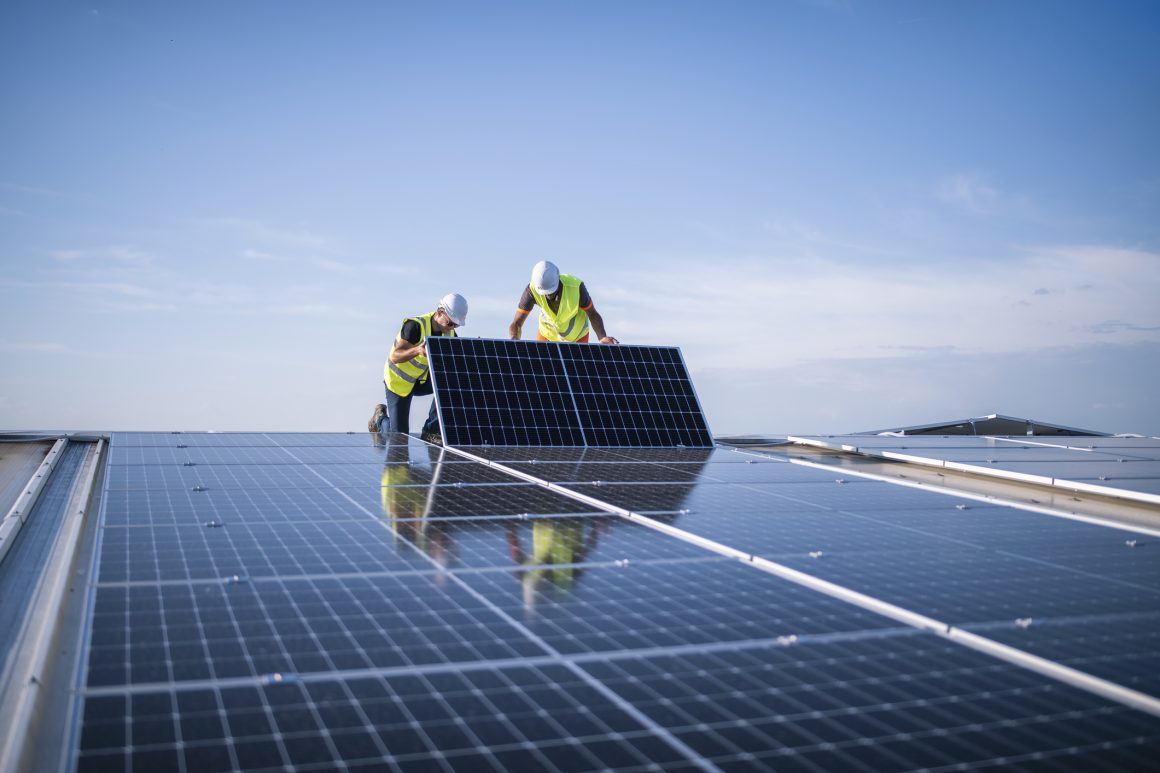
20 Percent better than required
Naturally, the building material of the new mixing plant will also meet the latest energy-efficiency standards. “Everything will be well insulated and sealed to prevent air from unintentionally flowing in or out, even through tiny openings or cracks. Our choice of materials actually makes this 20 percent better than required by law. Depending on the season, this will reduce the energy we need for cooling or heating,” Pfeifer says.
The warehouse will be temperature-controlled via a water pipe system in the floor, similar to underfloor heating in a home. The concrete floor acts as an energy reservoir. In winter, it absorbs heat and in summer, it stores cold. The floor then gradually and consistently releases this temperature into the indoor air, creating a pleasant room climate.
The major advantage of this “concrete floor storage effect” is that “we can purchase and use energy spontaneously and then benefit from it over a long period,” Pfeifer says. Important to know: The price of green electricity, such as that purchased by the Freudenberg power plant at the IPW, fluctuates significantly. When the sun is shining and wind is blowing, electricity is inexpensive. That is exactly when the new mixing plant can purchase it at low prices via the power plant and then “stockpile” the cooling or heat generated from it in the floor.
Ingeniously simple and simply ingenious: The building uses the laws of physics for cooling, as hot air rises. This allows excess heat, particularly in summer, to escape at night through open ceiling windows – without any air conditioning.
Cooling and heating: One solution, two benefits
While environmental considerations, cost awareness and efficiency shape the construction of the new building, they also determine the machinery inside it. Whether kneaders or rolling mills, the mixing lines must be cooled during operation. This causes the cooling water used for this purpose to heat up.
Like a refrigerator at home, a heat pump in the new mixing plant will restore the chilled temperature of this cooling water. It can then be used for cooling again in the next cycle. And this brings an additional benefit: The heat extracted from the cooling water is fed back into the IPW district heating network in the form of hot water. In other words, the energy used to cool the equipment can be put to good use again at the IPW to heat buildings or provide hot water from the tap. That is sustainable. Excess (thermal) energy is not released unused into the environment – it gets reused.
Lower consumption without lower performance
The relocation is also an opportunity to implement useful technical improvements. The mixing lines, especially the drives used in mixers and rolling mills, will be optimized for energy efficiency – without any loss of performance. This process will be modeled on a pilot project implemented in India that won the Freudenberg Group’s “We all take care” award. It’s a classic example of best practice.
Pfeifer puts it in striking terms: “Compared to a car, our systems will continue to deliver the performance of a luxury vehicle but with only the fuel consumption of a compact car.” Every conserved kilowatt hour reduces the costs, all the more so as energy prices rise.
And finally, several process improvements in the new raw material mixing plant will also contribute to greater sustainability. The plan to measure out fillers by using gravity also sounds simply ingenious. It is free and requires no energy. “Previously, we needed expensive compressed air to do this. Now the fillers will simply fall from top to bottom,” Pfeifer explains. Another advantage of this gravimetric dosing technology is its extremely high precision.
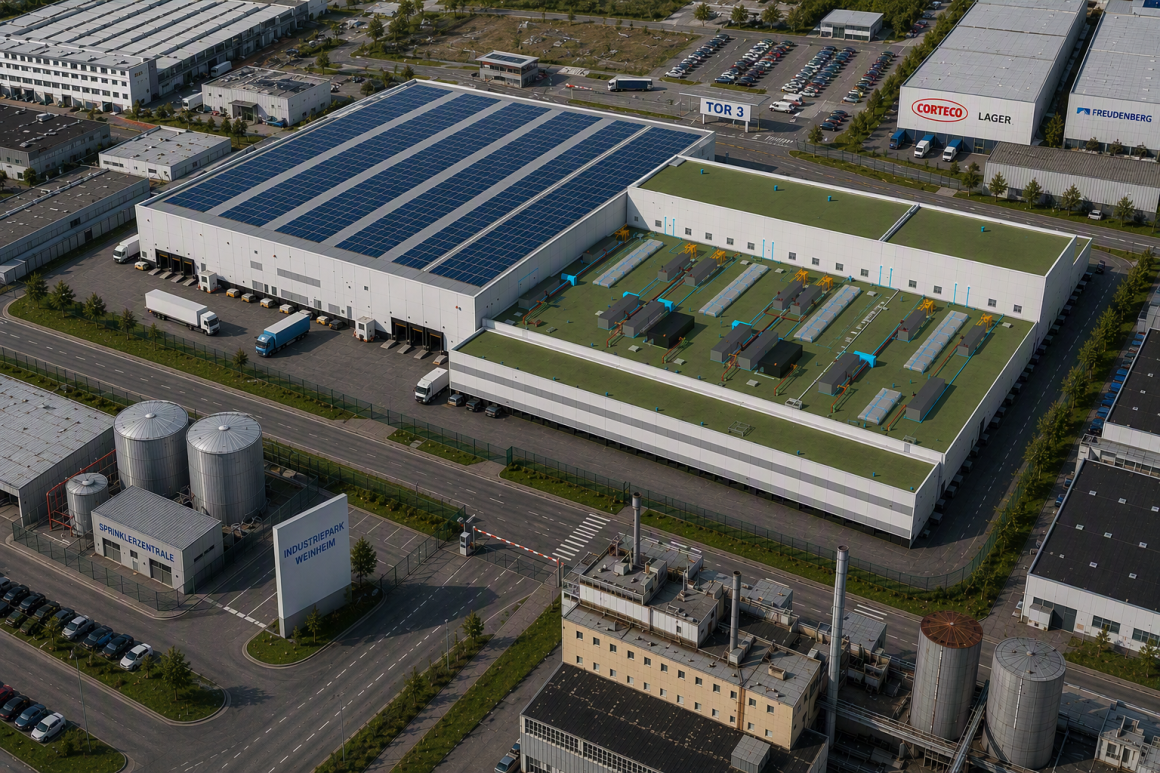
Automation meets artificial intelligence
At this new location, the raw material mixing plant will continue along the path of automation it has been pursuing for years. It goes without saying that work orders, batch documentation and many other types of information will be transferred and documented digitally instead of using paper. This conserves natural resources while simplifying and accelerating processes.
Significant gains in cost and energy efficiency as well as sustainability can be achieved when building systems and production equipment are interconnected with each other, the internet and the energy supplier and – according to the vision – when artificial intelligence (AI) controls processes. In other words, the new building gives FST the opportunity to combine automation and AI to an even greater extent to reflect sustainable efficiency.
One example is that driverless automated transport vehicles controlled by AI could always choose the most efficient route at the most efficient time and recharge their batteries at times when electricity is inexpensive, as described above. A few other clever examples: When the production system gives the building management system advance notice when each line will start production, the environmental conditions in the relevant areas can automatically be coordinated. Or, if CO2 sensors and presence detectors send continuous signals about when and how many people are currently in an office, it is possible to precisely adjust the room temperature, supply of fresh air, lighting and shading provided by blinds. In addition, there is no need for an air-conditioning system to run at full capacity if an internet-connected weather radar predicts an impending cooling thunderstorm. The room temperature can later be lowered easily and automatically by opening the windows.
Last but not least, warehousing and production will be concentrated in a single location, offering another sustainability benefit. Compared with the previous decentralized setup in the industrial park, this centralized solution eliminates transport routes and saves time.