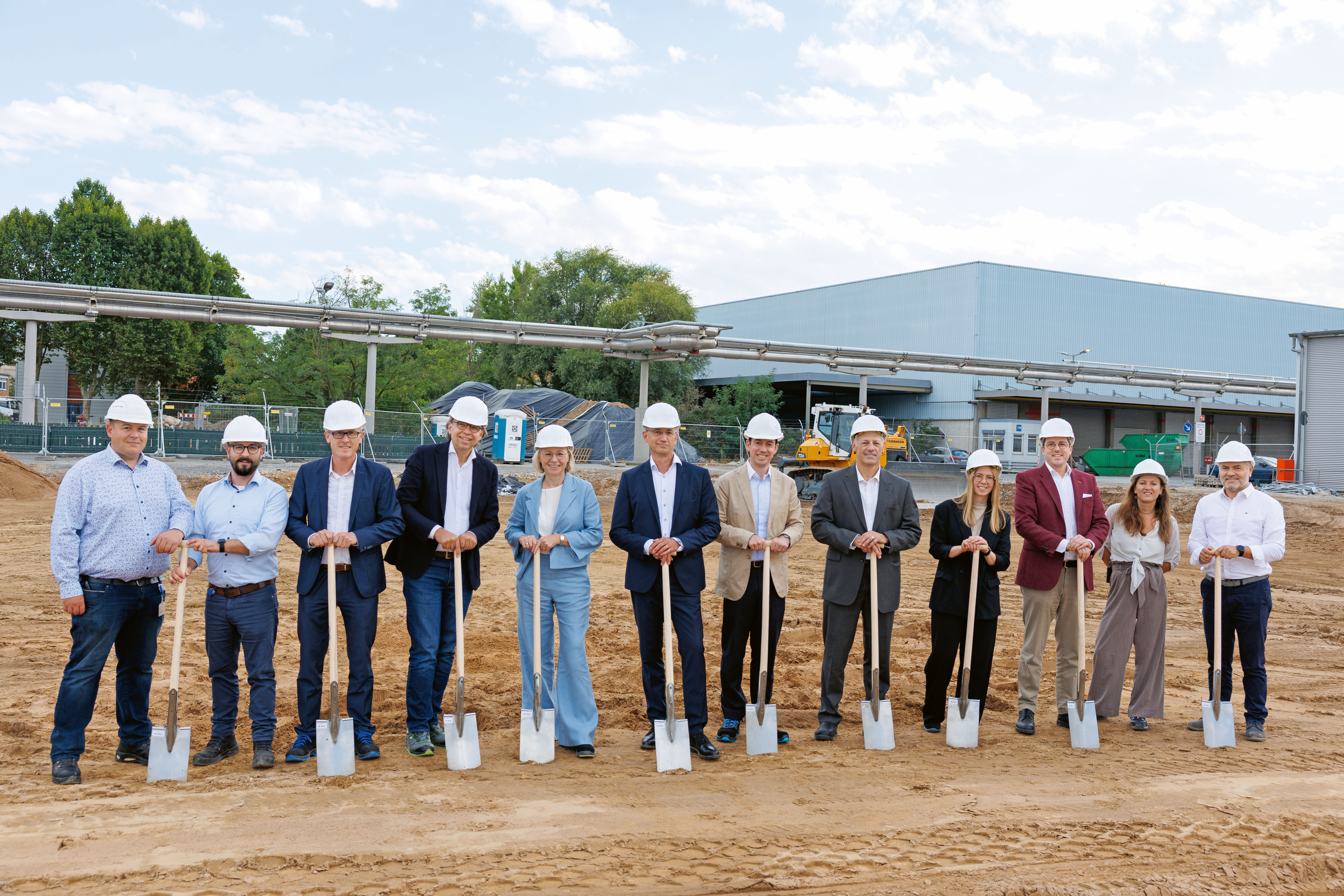
With the groundbreaking for its new compounding plant, Freudenberg Sealing Technologies is launching one of the most important future projects at its Weinheim site – taking material expertise, efficiency, and automation to a new level.
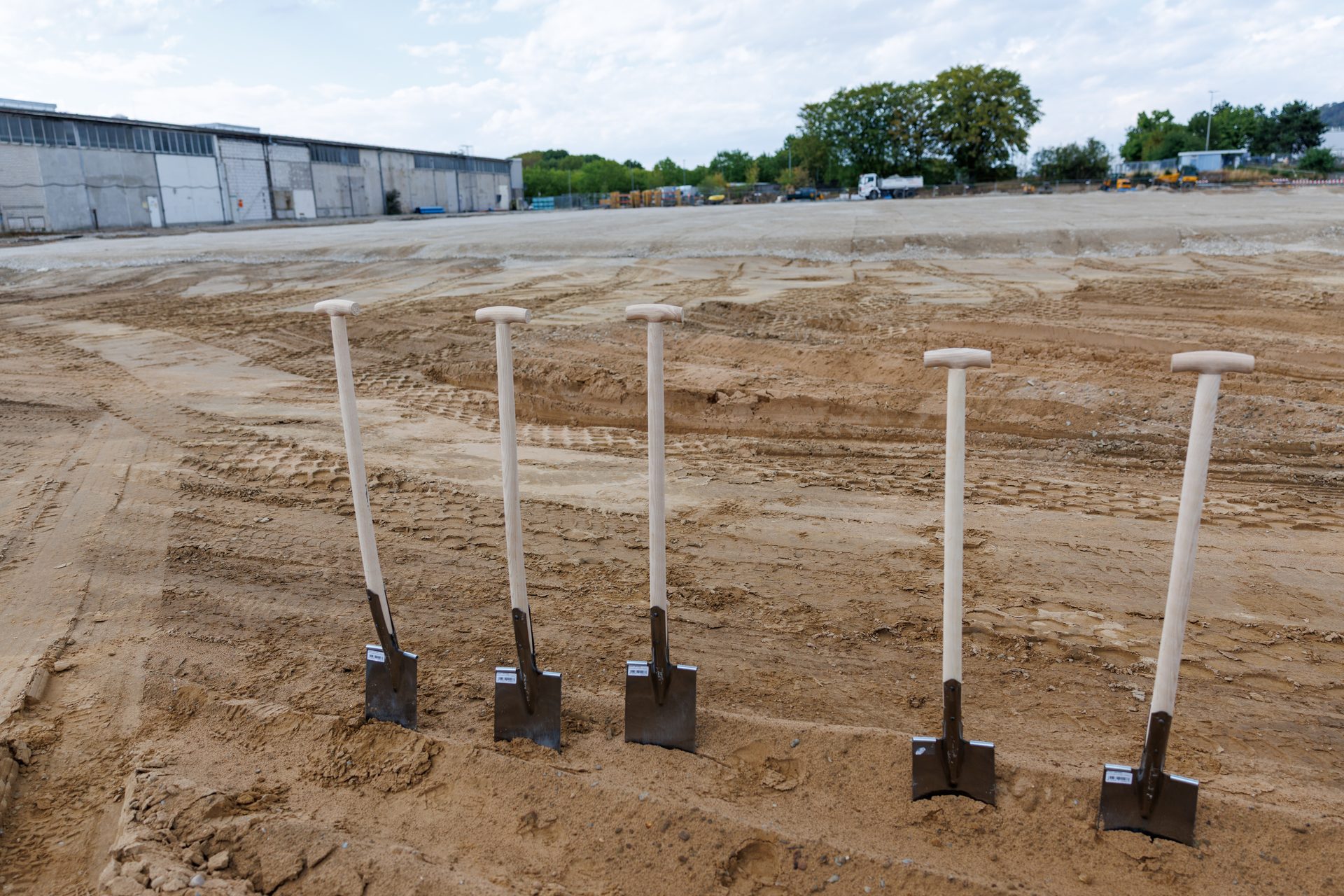
With the official groundbreaking on August 19, Freudenberg Sealing Technologies (FST) in Weinheim launched a construction project of exceptional significance and scale: a new mixing plant with a state-of-the-art warehouse designed to substantially strengthen the site’s material expertise, efficiency, and long-term viability. For Dr. Matthias Sckuhr, Chief Technology Officer of the Freudenberg Group and, until June, Chief Executive Officer of FST, the day was more than just a symbolic kickoff: “Today is a special day – and a visible milestone”, he said.

The groundbreaking followed nearly five years of work: concept studies, coordination, planning sessions, and approval processes. At the outset was the question of how to adapt a production environment that had grown over decades to meet future requirements. Parts of the existing buildings are more than 60 years old, and fire safety and logistics were increasingly reaching their limits. Internal transport logistics alone highlighted the scale of the challenge: Forklifts at the current mixing plant in Weinheim cover approximately 3,600 kilometers a year – roughly the distance from Weinheim to Crete.
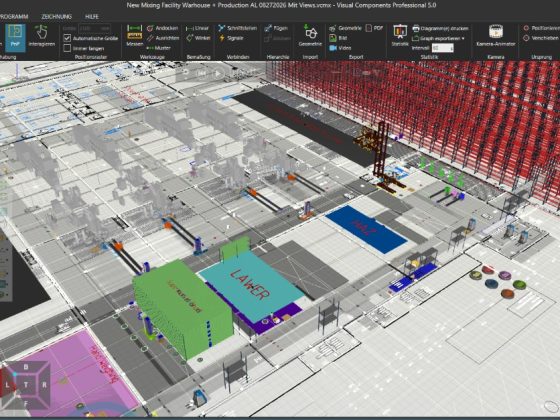
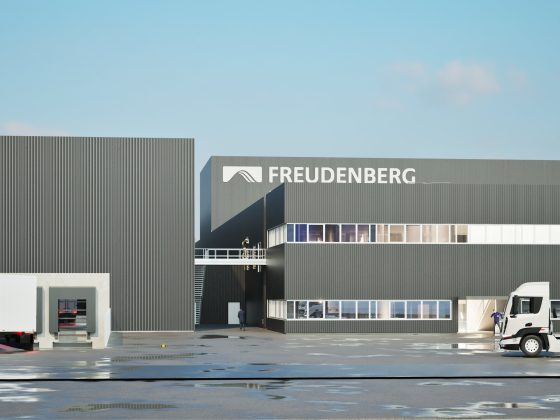
The new plant is designed to fundamentally improve these established structures. On a future site covering approximately 37,000 square meters, production areas for compounding lines and a warehouse will be built, intelligently bringing raw materials, compounds, metal parts, and coils together under one roof. “We will make a quantum leap in terms of material flow, technologies, and automation, thereby becoming much more efficient,” says Dr. Boris Jakobi, Senior Vice President of the Components & Purchasing Direct Materials Division.
The warehouse presents particular challenges. With around 1,000 raw materials, more than 10,000 storage locations, and temperature-controlled areas for finished compounds, the demands on material logistics are clear. Many materials are sensitive to temperature fluctuations. In the future, room temperature can be precisely controlled and monitored – an important factor in ensuring the consistently high quality of the compounds.
For Dr. Sckuhr, the project also sends a clear signal: “We’re not building for yesterday, but for the future,” he says. Today, the Weinheim site produces about half of the elastomer compounds manufactured worldwide by the Group, making it a key pillar of FST’s success. At the same time, demand is growing, particularly in the silicone sector. The new compounding plant provides the technological foundation required for that growth – with shorter processes, greater automation, and more flexibility.
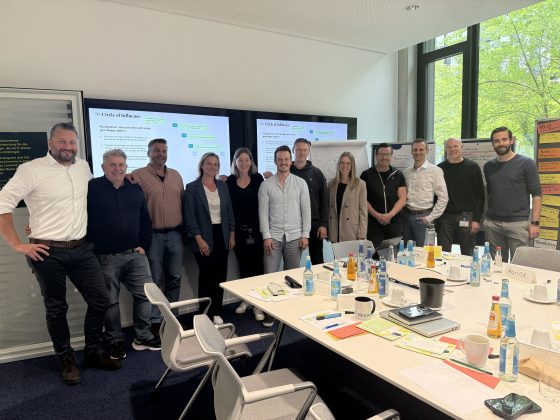
For employees, too, the project is a major project. More than 40 colleagues from various divisions and support functions worked with Freudenberg Real Estate and Freudenberg Service on the planning. Dr. Jakobi particularly emphasized the team’s dedication: “The fact that the employees are tackling such a project and working so intensively and with such focus deserves the highest praise.”
The groundbreaking ceremony therefore marks not the end of the effort, but the beginning of the next phase. Implementation, construction, and the subsequent move while operations continue will be challenging. But on August 19, the focus was first and foremost on pausing for a moment – and on taking pride in what has already been achieved. “Today we’re laying the foundation. The real work still lies ahead,” Dr. Sckuhr said.