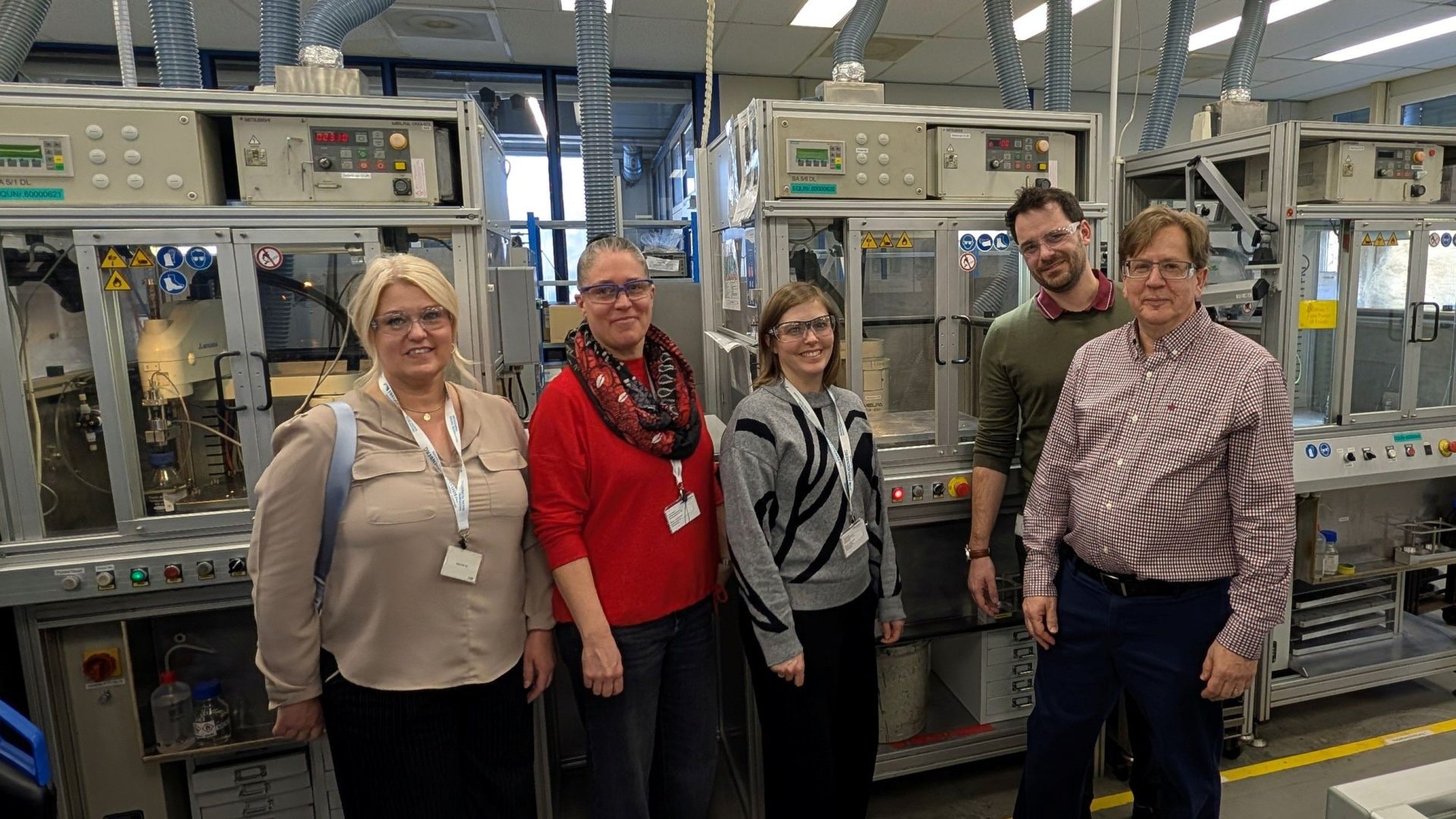
Technology & Innovation (T & I) started the year with the launch of a new Surface Technology unit. Its team is pursuing a wide range of goals at Freudenberg Sealing Technologies (FST), which include accelerating exchanges of knowledge on surface technology, expanding the use of sustainable technologies, and advancing specific innovations.
“Surface technology encompasses all processes that modify material surfaces in order to change their physical, chemical, or mechanical properties.” If you google the term, you will find these or similar-sounding general answers. One of the goals of this technology is to optimize surfaces for specific performance requirements, for example through coating. These optimized surfaces can also enable a seal to run with less friction, resulting in less wear.
Diverse and complex
FST recognized this and took action. On January 1, T & I started a new standalone unit dedicated to all surface technology issues relevant to FST: the Surface Technology team.
“Surface technology is enormously diverse and multi-layered. It’s a huge field. FST deals with these topics in many different areas and at many different sites, but often independently of one another. We realized that in such a complex field, we need a central team to consolidate the know-how and coordinate and organize all questions on surface technology,” explains the team leader Dr. Daniela Knecht, Vice President Surface Technology. FST was also looking for a team that could provide expert support on specific product innovation topics to developers in the lead centers. One example of this is the incubators, which FST is using to position itself for the future.
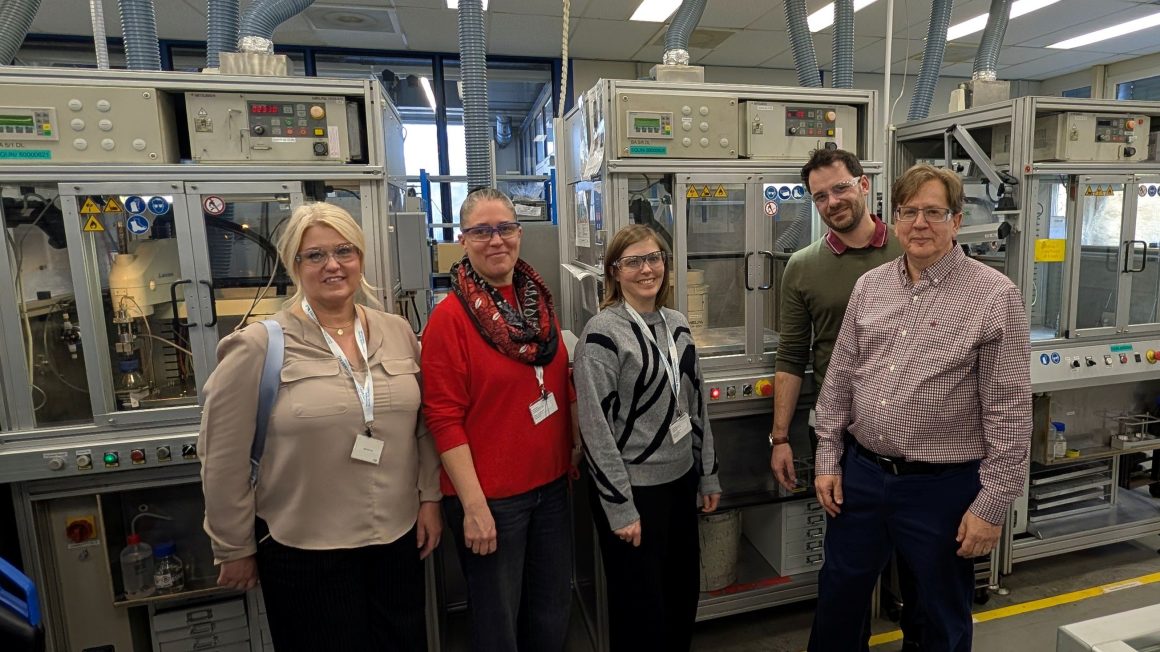
Beyond the surface of the finished part, surface technology has another “deep” dimension. In a Simmerring®, for example, the sophisticated pretreatment of the metal surface ensures that the rubber and the metallic element form a strong bond. These kinds of functional rubber-metal or rubber-plastic bonds are essential to efficient seal performance – and becoming ever more important. In many new applications, it is increasingly impossible for a single material alone to fulfill growing demands and additional functions – such as electrical conductivity or insulation. This makes a company’s expertise in surface technology all the more important. What matters here is in-depth knowledge of surface pretreatment, joining and bonding techniques, adhesive formulations and applications, coatings, and the associated processes.
Broad and flexible
One of the Surface Technology team’s top priorities is to strengthen communication between experts – networking. “We need to coordinate more closely to avoid everyone developing things on their own, so that we learn from each other instead,” Knecht says. At the same time, the team maintains close ties with other Freudenberg business groups, above all with Freudenberg Technology Innovation (FTI) and Freudenberg Chemical Specialities (FCS), especially with the affiliated company SurTec, which provides customized specialty chemicals for surface treatment.
Reducing complexity is another goal that Knecht describes. Her team wants to standardize the wide range of solutions used at FST, including the various adhesives, operating procedures in surface technology, and metal pretreatment processes. All of this is taking place against the backdrop of stricter legal regulations. When she outlines her unit’s responsibilities, the team leader also points to other strategic concepts such as data management, data-driven development, and digitalization in surface technology. And multi-qualification. In other words, FST wants to broaden and diversify its sourcing of adhesives in order to boost security of supply.
Innovative and sustainable
Another responsibility of the Surface Technology team is to expand the use of modern, sustainable, and cost-efficient technologies in surface technology at FST. A few keywords may illustrate the point: in Kufstein, FST introduced “Freudenberg Adhesive Clean Technology” (FACT) for the first time. This new solvent-free vacuum technology combines surface activation and coating in a single process step. The advantages are minimized chemical use, lower energy consumption and reduced CO2 emissions, while it also improves adhesion and durability (another article on FACT will follow soon). Other process innovations that the Surface Technology team wants to advance across FST include efficient low temperature degreasing for cleaning metal parts, variants of plasma pretreatment for cleaning and activating surfaces, “Freudenberg Adhesive Spray Technology” (FAST) for applying adhesives, and “Reduced Friction by Nanotechnology” (RFN) for minimizing friction.
Knecht emphasizes that her team and its initiatives are providing precise support for the key pillars of the current FST strategy – whether through the development of new products, process improvements in line with operational excellence, or the use of sustainable materials that meet compliance requirements.

Surface Technology Team
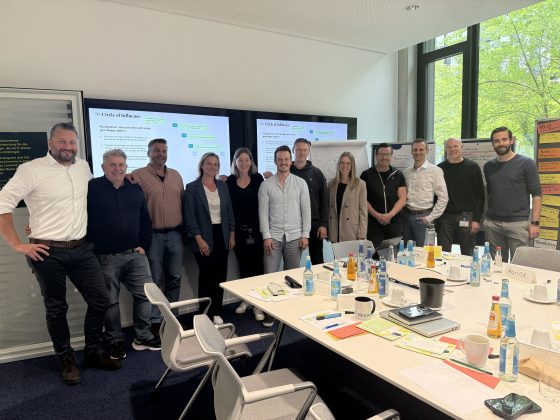
The Surface Technology team has an international setup and consists of specialists with broad expertise across the full spectrum of surface technology. Team leader Dr. Daniela Knecht puts it succinctly: “The team brings together people whose expertise complements each other exceptionally well.” These are: Katharina Gairing (Weinheim), Dominik Langore (Kufstein), Ursula Oyer, and Mike Moore (both in Plymouth). Starting in June, Dr. Yingjia Li will transfer into the team from the affiliated company SurTec as a scientific innovator.
Contact: org-t-surfacetechnology@fst.com.