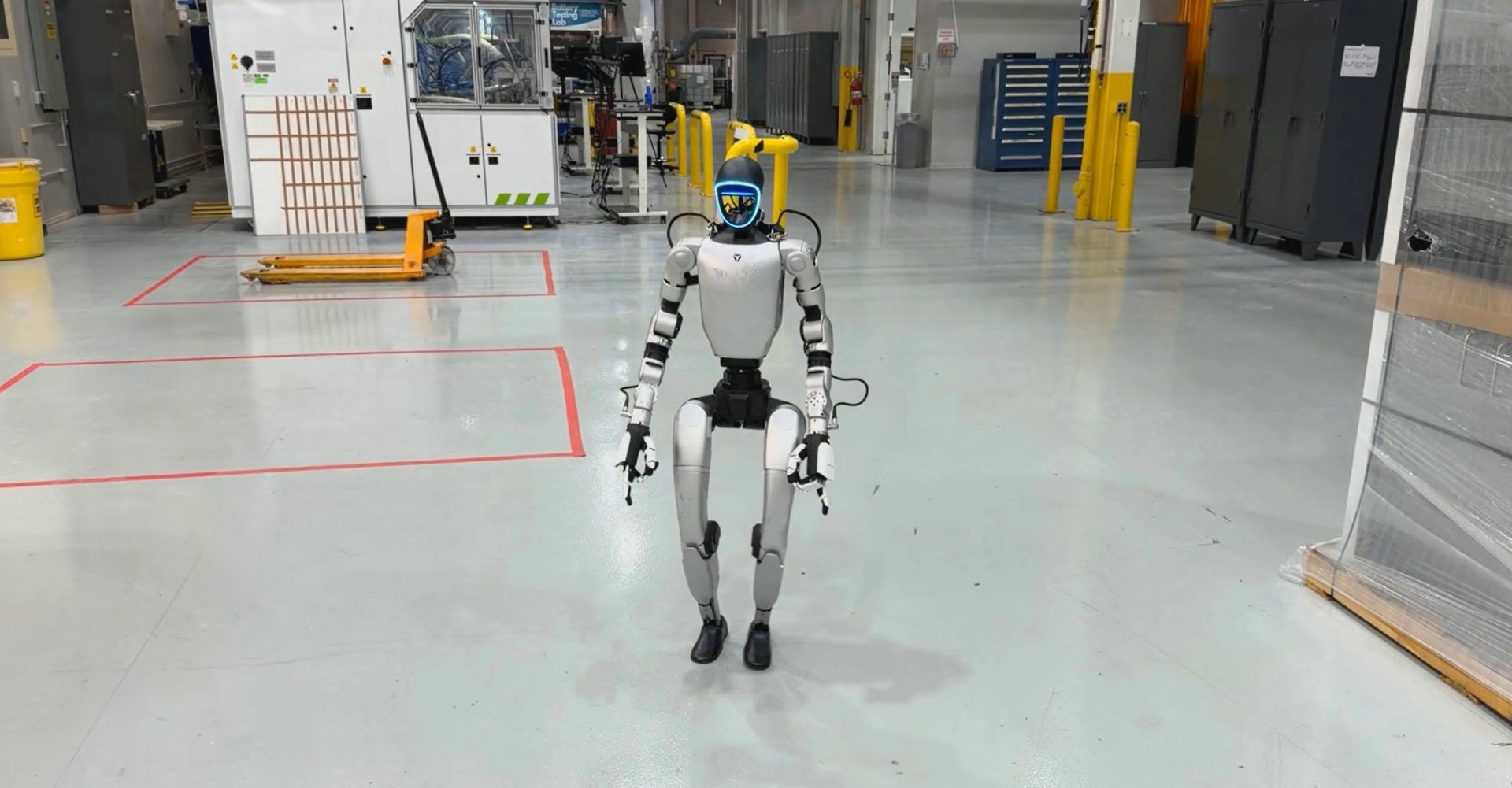
Freudenberg Sealing Technologies (FST) is expanding its robotics and automation strategy with new investments, new infrastructure, and a coordinated approach that advances the company’s role as both a component supplier and user within the emerging humanoid robotics sector. The initiative builds on the introduction of the company’s first humanoid robot, FREDA, which stands for Freudenberg Robotic Engineering and Development Assistant.
A cross-functional steering committee manages five work streams supporting two main objectives. The first focuses on component supply and aligns with the company’s strategic process (also known as: Where to Play (W2P)) and Squad efforts. The second aims at developing use cases within FST facilities and identifying technology milestones that could make humanoid robots a valuable addition to the company’s automation portfolio, which currently includes industrial automation, cobots, and mobile robotic systems. As part of this effort, the W2P Squad has identified existing FST products that are already market-ready for humanoid applications, some of which are currently used in humanoids under development by FST customers.
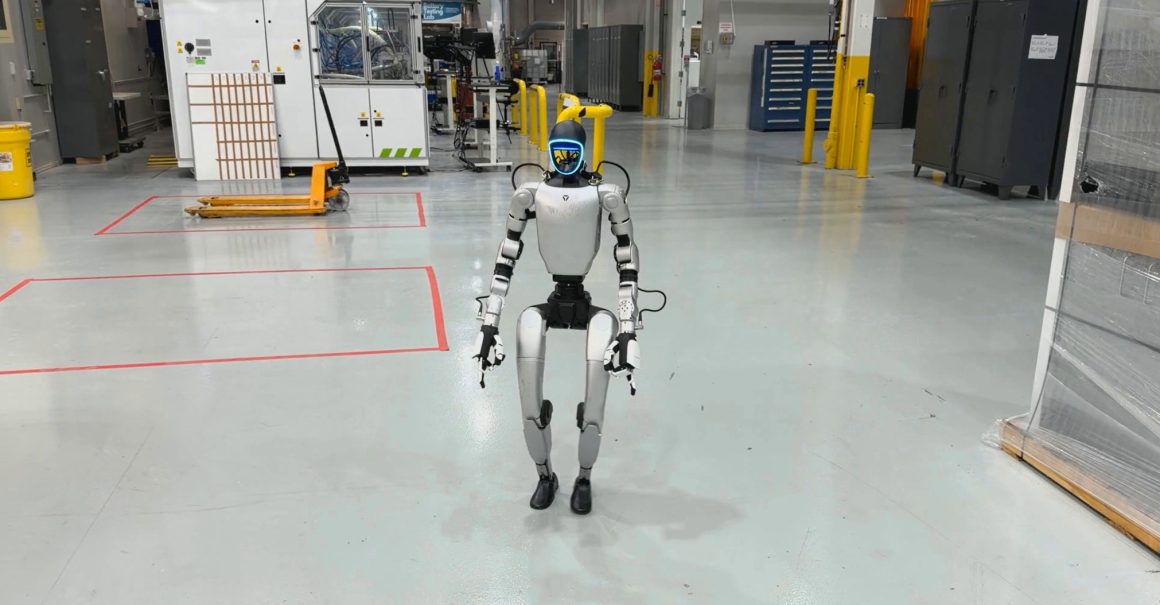
To support hands-on research, FST recently acquired two Unitree G1 robots. FREDA 1 is dedicated to programming development and exploring employment scenarios, while FREDA 2 will focus on studying actuators, sensors, and battery systems for potential component supply opportunities. The former metrology lab in the Technology and Innovation area has been transformed into a Makers Space and Robotics Room, which will host testing, programming, and teardown activities. This environment enables teams to better understand how FST technologies can be integrated into robotic systems.
FREDA was created to run programming tests, use case trials, and technical demonstrations that help engineers assess future mobility and industrial applications. These trials guide the development of sealing, heat management, and waterproofing solutions for next-generation robotic designs. Engineers are also examining how FST components and testing can support actuation, sensing, and energy-storage functions in humanoids, using product placement insights to steer development.
“”The launch of FREDA is about stepping into the future,” said Chad Bauer, Senior Vice President of Technology and Innovation. “This technology opens doors to new possibilities in mobility and automation, and we are excited to learn how our innovations can contribute to that transformation.”
While widespread deployment of humanoid robots remains years away, FST is building the expertise needed to prepare for this transition. Each programming test and teardown analysis represents progress toward understanding how humanoids could one day operate alongside other automated systems in FST facilities.