What started as a cross‑border logistics challenge quickly became a blueprint for smarter, greener supply chains. By rethinking how goods move between Italy and Germany, a cross-functional team unlocked major savings and cut CO₂ emissions by more than 90 percent.
For several months, a cross-functional team spanning five sites in Italy and Germany worked toward a shared goal: optimizing the logistics flow between the two countries. The outcome exceeded expectations on several fronts, demonstrating the power of collaboration across locations and business divisions.
The initiative generated major annual savings, outperforming initial projections through smarter transport routes and improved pricing structures. At the same time, the project delivered substantial environmental benefits. By integrating HVO–powered trucks (HVO / Hydrotreated vegetable oil) and expanding the use of intermodal rail transport, CO₂ emissions dropped by more than 90 percent, equivalent to roughly 26 metric tons per year. The redesign also cut annual travel distances by about 75,000 kilometers, further increasing efficiency and reducing environmental impact.
The overarching objective was clear: launch the optimized logistics flow.
Redesigning a Complex Transport System
To build a more efficient system, the team conducted a thorough analysis of the previous year’s shipping data, evaluating load dimensions, stackability rules, and special transport requirements. Historically, two suppliers handled routes between six locations: Dynamic Sealing PP Powertrain Pinerolo, AC Metals Luserna, LC Metals Weinheim, CC Mixing Weinheim, and distribution centers in both Italy and Germany.
Seeking the best combination of service quality and cost performance, the team invited bids from Freudenberg‑approved suppliers. Ultimately, transport company IKG was selected for its competitive pricing and sustainability‑focused transport solutions, including:
- Intermodal transport, split 50 percent by road and 50 percent by rail
- HVO–powered trucks, reducing carbon emissions by 90 percent compared to diesel vehicles
From Daily Shuttles to a Smarter Milk‑Run System
The previous logistics model relied on multiple daily shuttles between Italy and Germany – an approach that was often underutilized and expensive. The new system introduced two major changes:
- Shipment consolidation, reducing the number of weekly shuttles
- Implementation of a milk‑run model, enabling coordinated loading and unloading along a fixed route
This redesigned approach not only meets the operational needs of the plants but also significantly reduces costs and environmental impact.
“This project shows the power of true cross‑functional teamwork,” said Simona Lisdero, Global SCM LC Metals. “By aligning our Italian and German teams around a shared goal, we were able not only to exceed our cost‑saving targets but also to significantly reduce our environmental impact. I’m incredibly proud of what we accomplished together – it’s a model for how we can innovate our supply chain globally.”
One year after go‑live, the results go without saying: the process is stable, efficient, and delivers clear savings and optimizations.
A Team Effort Across Borders
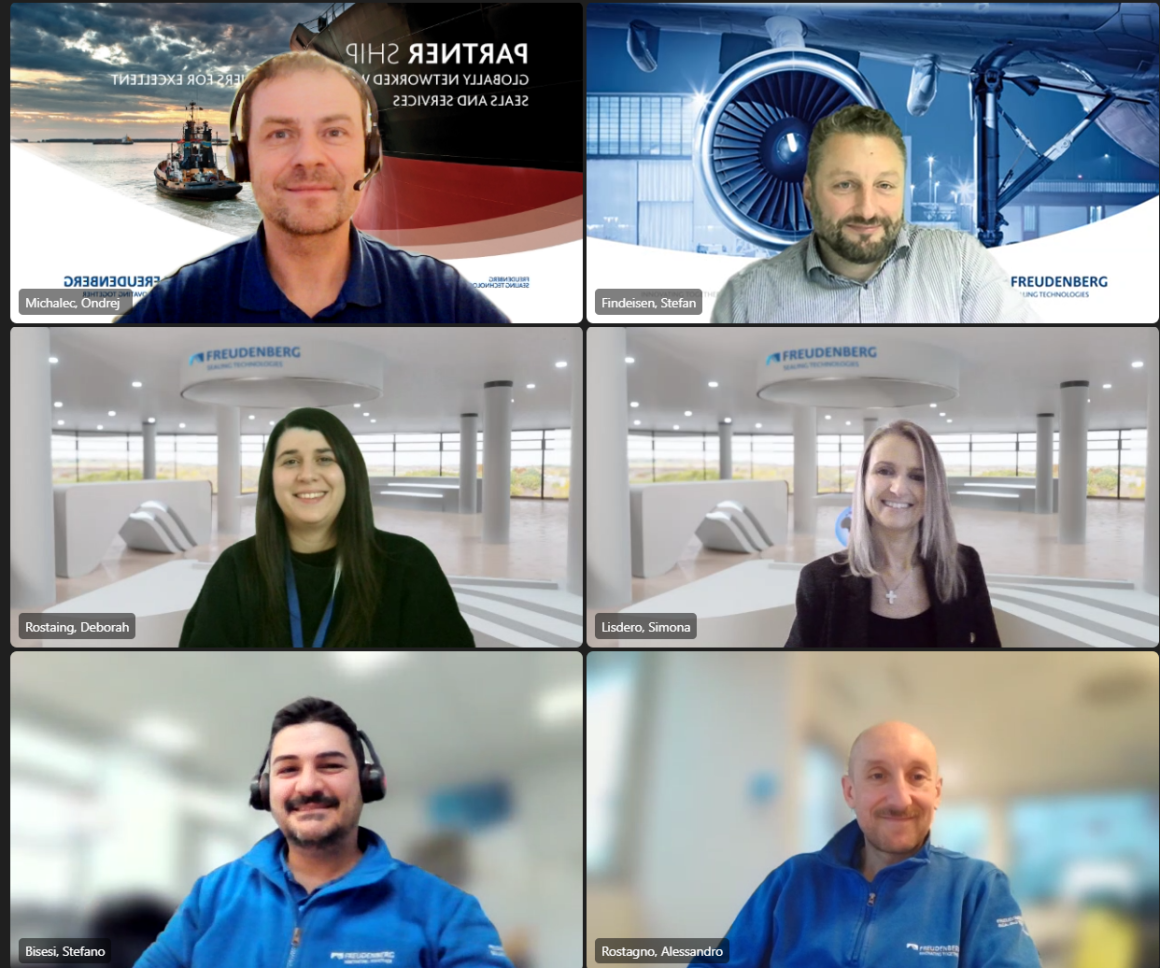
The project was led by Simona Lisdero (Global SCM LC Metals) with strong support from colleagues across Italy, including Deborah Rostaing (Lean Manager, AC Metals), Reusa Elia (SCM Specialist), Alessandro Rostagno (Shipping Office Manager, DCI), Laura Griglio (Head of Warehousing Dynamic Sealing PP Powertrain), Diego Rostagno (SCM Dynamic Sealing PP Powertrain), and Federico Coucourde (SCM Dynamic Sealing LC HD).
On the German side, contributors included Ingo Prause (Regional SCM), Stefan Findeisen (Director Global SCM CC Mixing), and Patricia Tecl (Senior Expert SCM). Later in the process, Michalec Ondrej (Category Buyer Logistics and Packaging – Corporate Procurement) played an essential role in supplier negotiations and in coordinating efforts between the Italian and German teams.