“Pick and place” in the production of micro parts: Lead Center Special Sealing Industry automates the filling of the loading device with tiny metal parts prior to vulcanization. This reduces the workload for employees and minimizes process risks.

In Brief
Lead Center Special Sealing Industry has automated the process of filling the loading device with tiny metal parts prior to vulcanization, reducing employee workload and minimizing process risks.
The micro parts produced by Freudenberg Sealing Technologies (FST) are used in solenoid valves for laboratory, medical, and analysis technology to switch small quantities of liquids and gases accurately.
Rather than associates, an industrial robot now performs the “pick and place” task, placing metal plungers into the device with high precision and process reliability, thus relieving operators and allowing them to focus on other tasks.
The automation has improved process reliability, ensured consistent top quality, and provided ergonomic benefits for employees, enhancing the site’s competitiveness.
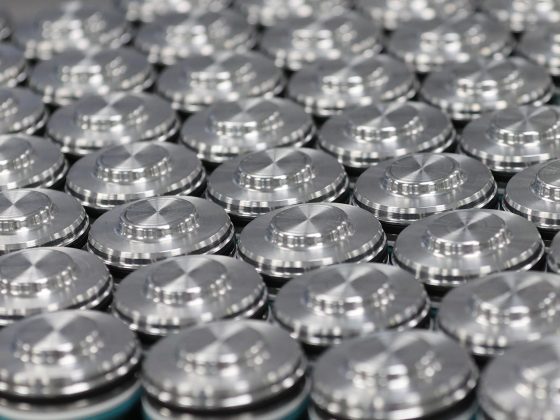
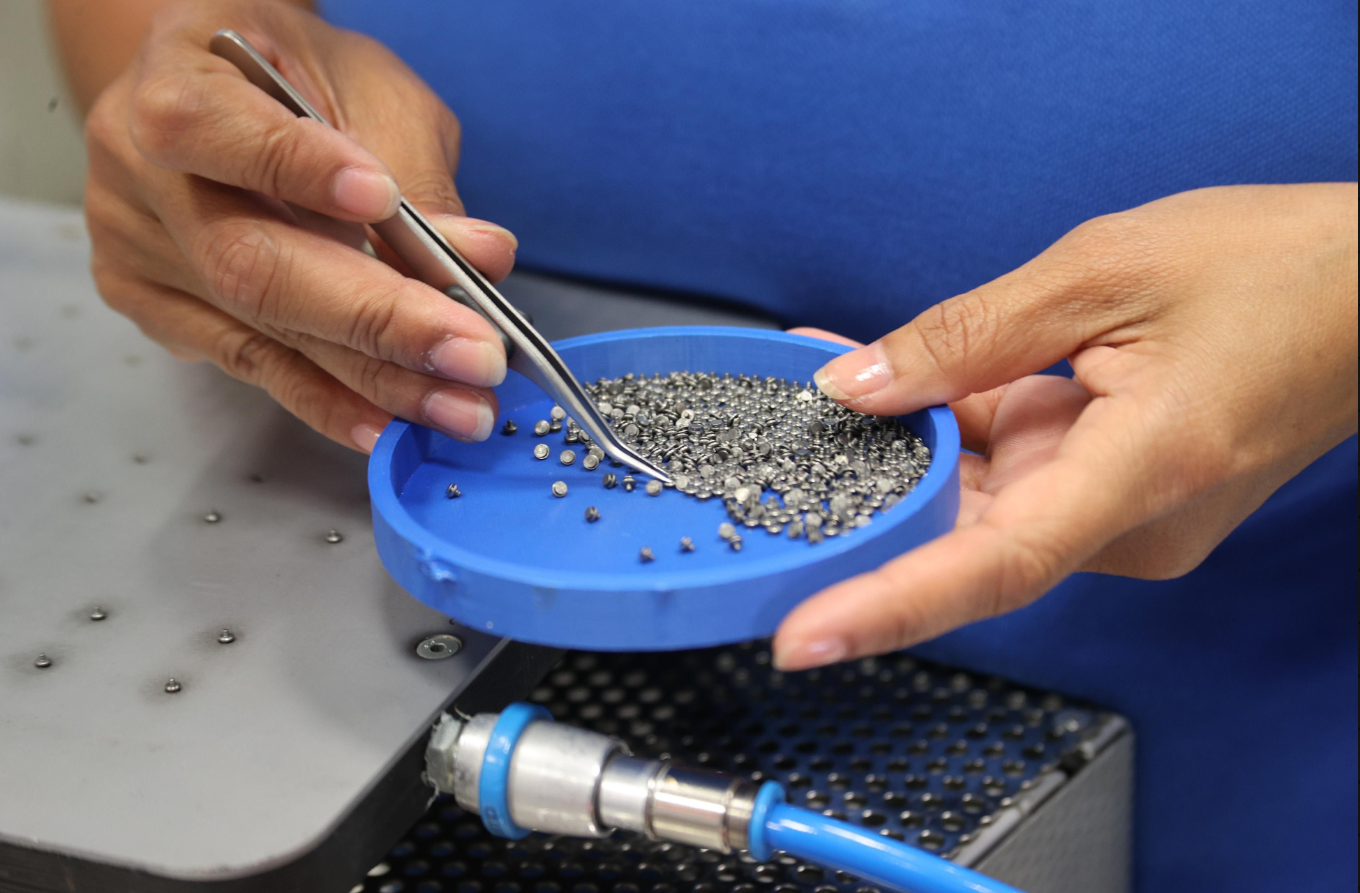
The elongated silhouette of this elastomer composite part with its two rounded ends is reminiscent of a dumbbell as we know it from the gym. But apart from the material – a high-quality FFKM and a movable stainless steel plunger on the right and left – no athlete would be happy about this dumbbell: it would be too small, far too small in fact. In any case, you can’t build biceps with these tiny pieces.
This is because these “micro parts made by Freudenberg Sealing Technologies (FST) in Reichelsheim” are a delicate elastomer composite part. A micro part with maximum success, a “high runner”, as Christian Mitschkal, Head of Process Technology Lead Center Special Sealing Industry (SSI), puts it. The site annually produces more than half a million of these parts, which resemble dumbbells. The product is used in solenoid valves in laboratory, medical and analysis technology to accurately switch the smallest quantities of liquids and gases in fluid handling.

The smaller the part, the higher the bar set by customers in terms of precision and quality. “This makes the production of such micro-components extremely challenging,” says Mitschkal. Employees who manufacture and inspect them need an extremely steady hand and a keen eye.
Robots instead of tweezers

This also applies in this specific case. The metal plunger, which measures less than three millimetres in diameter, must be placed precisely in the filling device with tweezers before vulcanization – and bonding with the elastomer. Piece by piece. Depending on the size of the micro part, sometimes 32 tiny metal plungers have to be inserted, sometimes 48 per device or per work step. This activity requires the utmost concentration. An incorrectly inserted metal part could damage the mould – or at least one of its cavities – during vulcanization. This would result in high costs and delays in production and delivery.
For a few months now, an industrial robot has been placing the metal plungers precisely into the device. “Pick and place” is the technical term for this type of automation. The parts are picked up and placed one after the other, as if by hand. With high precision and enormous process reliability. This relieves the operators and allows them to concentrate on removing the vulcanized finished parts and checking them.
In this case, automation means high process reliability with consistent top quality, combined with relief for employees thanks to sophisticated ergonomics. It’s not just the physically and mentally stressful loading that is eliminated. The removal of the filling device after vulcanization has also been ergonomically optimized to protect the employees’ health. So, this means many advantages from a single investment.
Vacuum gripping
Pick and place technology is already widespread in industrial production in many places: It is, however, new in the high-precision and high-speed production of micro parts in Reichelsheim. The site’s process technology department has worked out the technical finesse in a classic “Innovating Together” together with FST’s in-house mechanical engineering company Adaptive Technology Group (ATG) in Pinerolo, Italy.
Thomas Conrad, process engineer at the SSI Lead Center in Reichelsheim, has all the technical details ready. A sample: “A spiral conveyor aligns the tappets filled in as bulk material and makes them available to the robot one by one. The robot then loads the filling device using a vacuum gripper so as not to damage the surfaces of the parts.”
Some other highlights of the advanced production technology: The robot has been integrated into the existing production concept. It works with the same tools that were previously used, is self-sufficient and can also be used flexibly on other production systems. Besides, the automation technology can be used for other similar items. This strengthens the site’s competitiveness.