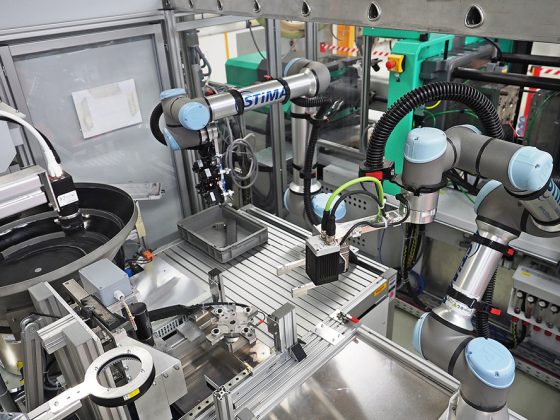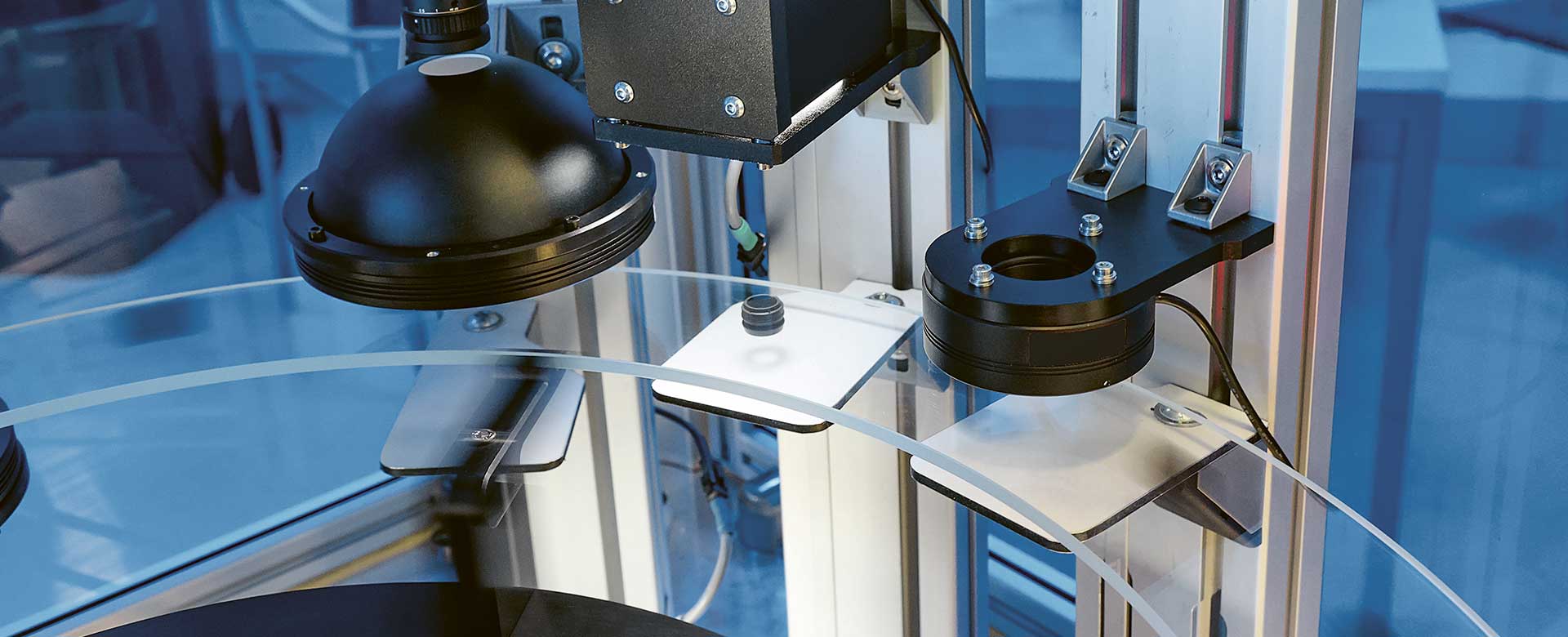
Freudenberg Sealing Technologies (FST) uses artificial intelligence (AI) in automated visual inspection (ASI) to reduce reject rates and avoid errors.
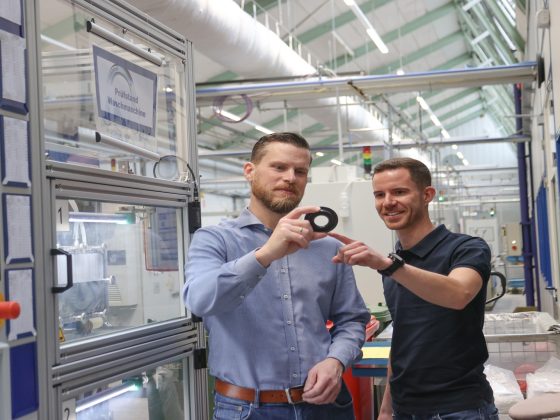
Products must leave the production line in perfect condition. In addition to smooth production, this requires reliable quality control. This visual inspection often takes the form of an automatic visual inspection. During this visual inspection, however, it can happen that flawless products are mistakenly rejected as faulty. Such waste is neither efficient nor sustainable.
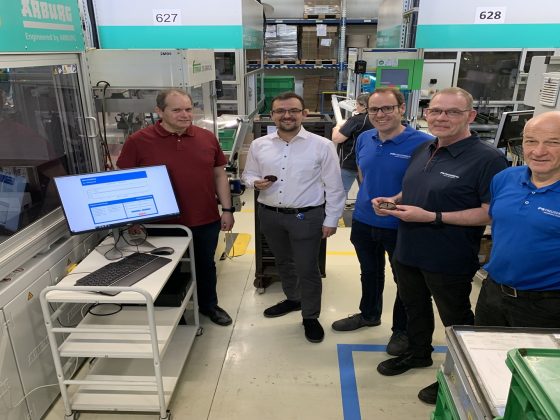
In order to reduce the disposal of intact products, FST is already using artificial intelligence at some sites. “The use of AI in our final inspection helps us to reduce pseudo rejects by 50%,” reports Dr. Stefan Geiss, Vice President Process Technology. This also reduces overall waste. “This helps us to waste fewer resources. Thanks to AI, we are gradually moving towards sustainable production. We generate less pseudo-waste, which means we dispose of less material. And: this gives us a betterCO2 footprint.”
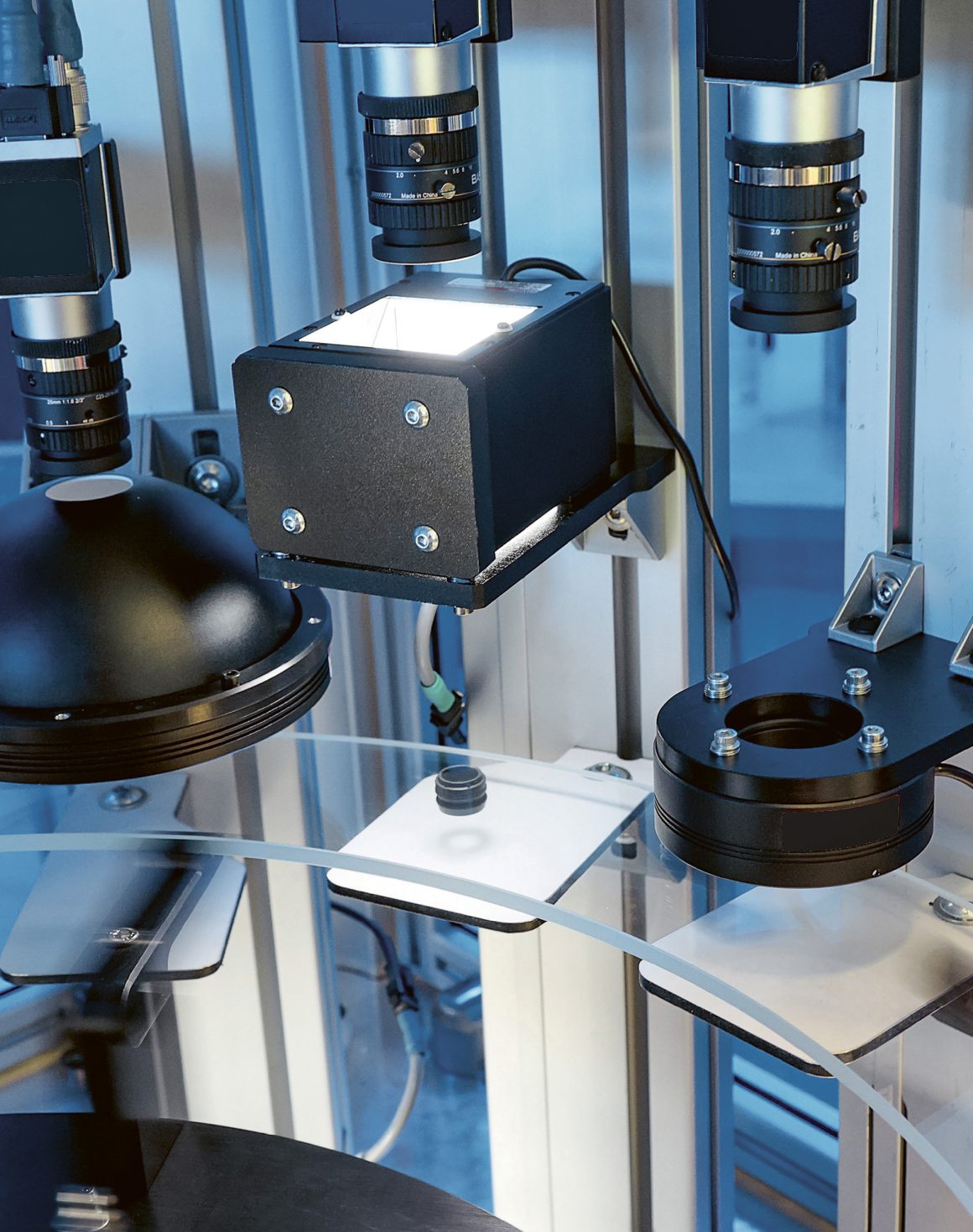
Senior Engineering Specialist Dr. Helmut Hamfeld adds: “Thanks to the adaptation, we can detect better than before whether the rejected product actually deviates from the standard or whether a shadow cast is distorting the result. The AI allows us to better distinguish such subtleties.” The successful pilot project took place at the Oberwihl site. Other FST plants are now using the AI solution in their final inspection.
In the middle instead of at the end
The North Shields site in northern England also relies on an AI-optimized ASK – not in the final inspection, however, but during the production process. In the shaping machine, the system recognizes whether the cavity into which the sealing material is pressed is actually free or still occupied. “This allows us to detect errors as they occur and not at the very end of the production chain,” explains Hamfeld. “This results in less tool damage and we have been able to reduce the need for spare parts. We also significantly reduce machine downtime. On the one hand, because faults can be rectified quickly and, on the other, because we have to repair less damage.” There is another positive side effect: the production processes are significantly faster.
FST is currently testing another field of application for AI with machine control. Up to 3,500 measuring points and sensors record the heating time or pressure conditions in seal production processes. If the data is in a range that does not guarantee a good product, the user is immediately prompted to adjust the parameters. However, it will be some time before this process is introduced. However, it would be a step towards the desired goal of a zero-defect automated process chain. An ASK would then no longer be necessary.